H1. High Protein Foods. The Complete Beginner’s Guide. for Muscle Building and Healthy Living.
- Eating the right foods is essential for building muscle. losing weight and maintaining overall health, One of the most important nutrients your body needs is protein,
- High protein foods help repair muscles. improve metabolism. and keep you feeling full for longer. Whether you are starting your fitness journey or trying to gain muscle. adding protein.rich foods to your diet is the key to success,
- In this guide. you will learn everything about high protein foods. including the best sources. benefits. and how to include them in your daily diet,
H2. What Are High Protein Foods.
- High protein foods are foods that contain a large amount of protein. which is essential for muscle growth and body repair,
- Protein is made up of amino acids that support,
- Muscle building.
- Tissue repair.
- Hormone production.
- Immune function.
H2. Benefits of High Protein Foods.
- Adding high protein foods to your diet offers many health benefits,
- H3.Muscle Growth,
- Protein helps repair and build muscles after workouts,
- H3 Weight Loss,
- Protein keeps you full longer, reducing hunger and cravings,
- H3 Boosts Metabolism,
- Your body burns more calories digesting protein than fats or carbs,
- H3 Improves Overall Health,
- Supports bones, skin, and immune system,
H2. Top High Protein Foods List.
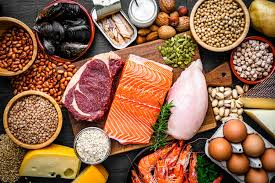
- Here are the best high protein foods you should include in your diet.
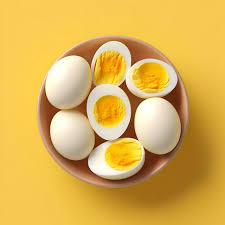
- H3: Eggs.
- Rich in high-quality protein.
- Contains essential vitamins.
- H3: Chicken Breast.
- Lean protein source.
- Perfect for muscle building.
- H3: Fish.
- High in protein and omega-3,
- Great for heart health.
- H3: Lentils Daal.
- Best vegetarian protein source.
- High in fiber.
- H3: Greek Yogurt.
- High protein probiotics.
- H3: Nuts and Seeds.
- Healthy fats protein.
H2. High Protein Foods for Vegetarians.
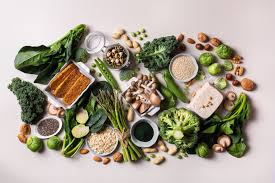
- Vegetarians can also get enough protein from plant-based foods,
- Best Options,
- Lentils,
- Chickpeas,
- Beans,
- Tofu,
- Nuts,
- Seeds,
- These foods are excellent alternatives to meat,
H2. How Much Protein Do You Need.
- Protein intake depends on your body weight and goals,
- General Recommendation,
- Normal person 0.8g per kg,
- Fitness beginners: 1.2–1.6g per kg,
- Muscle building: 1.6–2.2g per kg,
H2. Sample High Protein Diet Plan.
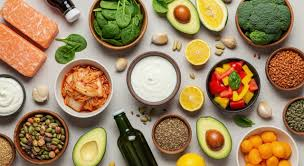
- Breakfast.
- Eggs oats.
- Milk or yogurt.
- Lunch.
- Chicken rice vegetables.
- Snack.
- Nuts or protein shake.
- Dinner.
- Fish or lentils salad.
- H2.Common Mistakes to Avoid
Not eating enough protein.
Relying only on supplements.
Skipping meals.
Ignoring balanced diet.
H2 Tips to Add More Protein in Your Diet
Add eggs to breakfast.
Include protein in every mea.
Snack on nuts.
Drink milk or yogurt daily.
Final Conclusion.
- In conclusion adding high protein foods to your daily diet is one of the most effective ways to improve your overall health. build muscle. and maintain a strong body, Protein plays a vital role in repairing tissues. supporting metabolism and keeping you energized throughout the day, Whether you are a beginner starting your fitness journey or someone looking to improve their diet. focusing on protein.rich foods can make a significant difference,
- By including foods like eggs chicken fish lentils, and nuts in your meals. you can easily meet your daily protein needs Consistency is the key.small daily improvements in your diet and lifestyle will lead to long.term results. Remember, a balanced approach that includes proper nutrition. regular exercise. and enough rest is essential for achieving your fitness goals,
Disclaimer.
- The information provided in this article about high protein foods is for educational and informational purposes only. It is not intended as medical advice, diagnosis, or treatment. Always consult a qualified healthcare professional nutritionist or doctor before making any significant changes to your diet especially if you have any medical conditions or dietary restrictions,
- Individual protein needs may vary depending on age. gender activity level and health status The results mentioned in this article may differ from person to person, This content is designed to support a healthy lifestyle but should not replace professional guidance,

