
Almond Benefits for Health
Introduction
The almond benefits for health make almonds one of the most popular and nutritious nuts in the world. These nutrient-dense nuts provide a combination of healthy fats, protein, fiber, vitamins, and minerals that support overall wellness. As a result, many nutrition experts recommend almonds as part of a balanced diet.
Whether you enjoy almonds as a snack, add them to oatmeal, or blend them into smoothies, they can provide several health advantages. Furthermore, almonds are naturally versatile and easy to include in daily meals.
Many people choose almonds because they offer long-lasting energy and help satisfy hunger between meals. If you are looking for a simple way to improve your nutrition, almonds can be an excellent addition to your diet.
Image Placement: Featured Image After Introduction
Image Alt Text: Almond Benefits for Health
Nutritional Value of Almonds
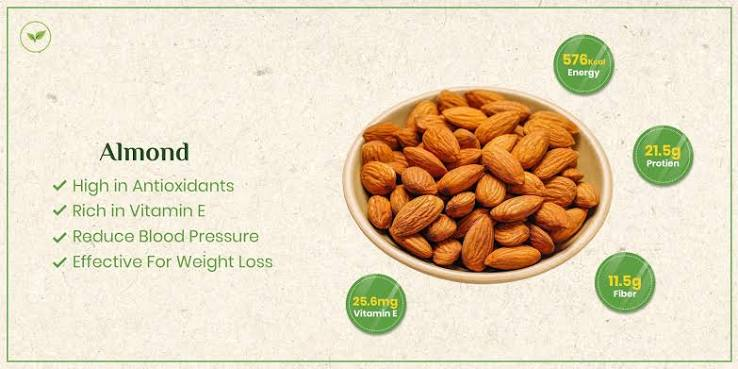
One of the most important almond benefits for health is their impressive nutritional profile. Although almonds are small, they are packed with essential nutrients that support many functions in the body.
A one-ounce serving (about 23 almonds) contains:
- 6 grams of protein
- 3.5 grams of fiber
- 14 grams of healthy fats
- Vitamin E
- Magnesium
- Calcium
- Potassium
- Phosphorus
In addition, almonds contain powerful antioxidants that help protect cells from damage. Therefore, they are considered one of the healthiest snack options available.
Image Placement: Add an image of raw almonds here.
Image Alt Text: Almond Nutrition Facts
Almond Benefits for Heart Health
Heart health is among the most widely recognized almond benefits for health. Almonds contain monounsaturated fats, which are often called heart-friendly fats. These healthy fats may help support normal cholesterol levels when consumed as part of a balanced diet.
Furthermore, almonds provide magnesium, a mineral that plays an important role in maintaining normal blood pressure and supporting healthy blood circulation.
People who regularly include nuts in their diet often find it easier to maintain healthy eating habits. Almonds are especially popular because they combine great taste with valuable nutrients.
Image Placement: Add a heart-health-related almond image here.
Image Alt Text: Almonds for Heart Health
Healthy Fats Support Cardiovascular Wellness
Unlike foods high in trans fats, almonds provide beneficial fats that can support overall cardiovascular wellness.
Moreover, these healthy fats may help reduce the risk factors associated with heart disease when combined with regular exercise and a nutritious diet.
Almonds May Help Maintain Healthy Cholesterol Levels
Research suggests that almonds may help support healthy cholesterol levels. Their combination of fiber, healthy fats, and plant compounds makes them a valuable food choice for heart-conscious individuals.
As a result, almonds are often included in heart-friendly meal plans.
Almond Benefits for Strong Bones
Another important advantage is their contribution to bone health. Strong bones require several nutrients, and almonds provide many of them.
For example, almonds contain:
- Calcium
- Magnesium
- Phosphorus
These minerals work together to support bone structure and strength.
Furthermore, maintaining adequate mineral intake becomes increasingly important with age. Therefore, adding almonds to a balanced diet may help support long-term bone health.
Image Placement: Add an image related to bone health and almonds.
Image Alt Text: Almonds for Bone Health
Magnesium Supports Bone Development
Magnesium is involved in hundreds of processes throughout the body, including those related to bone formation.
Because almonds are a good source of magnesium, they can contribute to a healthy nutritional plan aimed at supporting strong bones.
Calcium Helps Maintain Bone Strength
Although dairy products are often associated with calcium, almonds also provide this important mineral.
Consequently, almonds can be a useful addition to diets focused on maintaining bone health.
Almond Benefits for Brain Function
Many people associate almonds with improved mental performance. While no single food can guarantee better memory, almonds contain nutrients that support normal brain function.
Vitamin E is particularly important because it acts as an antioxidant and helps protect cells from oxidative stress.
In addition, almonds provide healthy fats that support the nervous system.
Many students and working professionals enjoy almonds as a quick snack because they provide steady energy throughout the day. This simple habit can help support productivity and focus.
Image Placement: Add an image showing almonds and brain health.
Image Alt Text: Almond Benefits for Brain Function
Vitamin E Supports Cognitive Health
Vitamin E is known for its antioxidant properties. It helps protect cells and supports healthy aging.
Therefore, consuming almonds regularly may contribute to maintaining cognitive wellness over time.
Healthy Fats Help Support the Nervous System
The healthy fats found in almonds play an important role in supporting the body’s communication systems.
As a result, almonds are often included in balanced eating plans focused on overall wellness.
Part 1 Summary
In this section, we covered:
✔ Nutritional Value of Almonds
✔ Almond Benefits for Heart Health
✔ Healthy Cholesterol Support
✔ Almond Benefits for Strong Bones
✔ Magnesium and Calcium Benefits
✔ Almond Benefits for Brain Function
✔ Vitamin E and Healthy Fats

Almond Benefits for Health (Part 2)
Almond Benefits for Weight Management
One of the most surprising almond benefits for health is their role in weight management. Although almonds contain calories, they can still fit into a healthy weight-loss plan when eaten in moderation.
Almonds provide a combination of protein, fiber, and healthy fats. These nutrients help you feel full for a longer period. As a result, you may be less likely to snack on unhealthy foods between meals.
Many people who are trying to lose weight often struggle with hunger. A small handful of almonds can be a satisfying snack that helps control cravings throughout the day.
Image Placement: Add an image of almonds as a healthy snack.
Image Alt Text: Almonds for Weight Management
Protein Helps You Feel Full
Protein is an important nutrient for appetite control. Almonds contain plant-based protein that can help reduce hunger and support healthy eating habits.
Furthermore, protein supports muscle maintenance, especially when combined with regular exercise.
Fiber Supports Better Appetite Control
Fiber slows digestion and helps promote a feeling of fullness.
Therefore, adding almonds to your daily routine may help you avoid unnecessary snacking and overeating.
Almond Benefits for Blood Sugar Control
Another important almond benefits for health is their potential role in supporting healthy blood sugar levels.
Almonds are low in carbohydrates and rich in healthy fats, protein, and fiber. Because of this combination, they have a minimal impact on blood sugar levels compared to many processed snacks.
In addition, almonds contain magnesium, which plays an important role in blood sugar regulation.
People who replace sugary snacks with almonds often find it easier to maintain healthier eating habits.
Image Placement: Add an image showing almonds and healthy eating.
Image Alt Text: Almonds for Blood Sugar Control
Magnesium Supports Normal Blood Sugar Function
Magnesium is involved in many bodily processes, including those related to glucose metabolism.
Since almonds are a good source of magnesium, they can be part of a balanced diet that supports overall metabolic health.
A Smart Snack Choice
Instead of reaching for candy or chips, many health-conscious individuals choose almonds because they provide lasting energy without causing rapid spikes in blood sugar.
Almond Benefits for Skin Health
Healthy skin is another reason why people appreciate the almond benefits for health.
Almonds contain vitamin E, which is known for its antioxidant properties. This nutrient helps protect skin cells from damage caused by environmental stressors.
Furthermore, healthy fats help maintain skin hydration and support a healthy appearance.
Many individuals notice that a nutritious diet contributes to healthier-looking skin over time. Almonds can be a valuable part of that diet.
Image Placement: Add an image related to healthy skin and almonds.
Image Alt Text: Almond Benefits for Skin Health
Vitamin E Protects Skin Cells
Vitamin E is often included in skincare products because of its protective properties.
When consumed as part of a healthy diet, vitamin E helps support skin health from within.
Healthy Fats Promote Skin Hydration
The healthy fats found in almonds help support the skin’s natural barrier.
As a result, they may contribute to smoother and healthier-looking skin.
Almond Benefits for Digestive Health
Good digestion is essential for overall wellness. Fortunately, almonds contain dietary fiber that supports digestive health.
Fiber helps maintain regular bowel movements and supports a healthy digestive system.
In addition, almonds may help nourish beneficial gut bacteria, which play an important role in digestive balance.
People who include fiber-rich foods in their diet often experience better digestive comfort.
Image Placement: Add an image showing almonds and digestive wellness.
Image Alt Text: Almonds for Digestive Health
Fiber Supports Gut Health
Dietary fiber acts as fuel for beneficial bacteria in the digestive tract.
Therefore, almonds can contribute to a healthier gut environment.
Supports Regular Digestion
Regular fiber intake helps maintain healthy digestion and supports overall well-being.
Because almonds provide both fiber and healthy fats, they make a nutritious snack choice.
Almond Benefits for Immune System Support
The immune system relies on proper nutrition to function effectively. Another valuable almond benefits for health is the nutritional support almonds provide.
Almonds contain antioxidants, vitamin E, and important minerals that help support overall wellness.
Although no single food can prevent illness, a balanced diet that includes nutrient-rich foods like almonds can contribute to a healthy immune system.
Many people choose almonds as part of their daily routine because they provide a convenient source of essential nutrients.
Image Placement: Add an image showing almonds and healthy living.
Image Alt Text: Almonds for Immune Support
Antioxidants Help Protect Cells
Antioxidants help reduce oxidative stress in the body.
As a result, they play an important role in maintaining overall health and wellness.
Nutrient Density Supports Overall Health
Because almonds contain multiple vitamins and minerals, they provide nutritional support for many bodily functions.
This makes them an excellent addition to a healthy lifestyle.
In this section, we covered:

How Many Almonds Should You Eat Daily?
One of the most common questions about the almond benefits for health is how many almonds you should eat each day.
Most nutrition experts recommend about 20 to 25 almonds daily, which equals approximately one ounce (28 grams). This serving provides a healthy amount of protein, fiber, healthy fats, vitamins, and minerals without adding too many calories.
However, individual nutritional needs may vary depending on age, activity level, and health goals.
Many people enjoy almonds as a morning snack, while others add them to breakfast, salads, or smoothies. Consistency is more important than timing when it comes to enjoying the nutritional benefits of almonds.
Image Placement: Add an image showing a daily serving of almonds.
Image Alt Text: Daily Almond Consumption
Can You Eat Almonds Every Day?
Yes, almonds can be part of a healthy daily diet for most people.
Furthermore, regular consumption may help support heart health, digestion, and overall wellness due to their rich nutrient content.
Are Soaked Almonds Better Than Raw Almonds?
Some people prefer soaked almonds because they are softer and easier to chew.
While both soaked and raw almonds offer nutritional benefits, the best choice is the one that fits your personal preference and eating habits.
Best Ways to Add Almonds to Your Diet
Almonds are incredibly versatile and can be added to a variety of meals and snacks.
Here are some easy ways to enjoy almonds:
- Eat them as a healthy snack.
- Add sliced almonds to oatmeal.
- Mix almonds into yogurt.
- Blend almonds into smoothies.
- Sprinkle chopped almonds on salads.
- Use almond butter on whole-grain toast.
- Add almonds to homemade trail mix.
As a result, it becomes easy to include almonds in your daily eating routine.
Image Placement: Add an image showing almonds used in different meals.
Image Alt Text: Ways to Eat Almonds
Almonds as a Healthy Snack
Almonds are portable, convenient, and satisfying.
Therefore, they are an excellent snack choice for busy individuals who want nutritious food on the go.
Almonds in Breakfast Recipes
Adding almonds to breakfast can increase protein and fiber intake.
Many health-conscious individuals include almonds in their morning meals because they help provide sustained energy throughout the day.
Why Almonds Are Considered a Superfood
Almonds are often referred to as a superfood because they contain a remarkable combination of nutrients.
They provide:
- Healthy fats
- Plant-based protein
- Dietary fiber
- Vitamin E
- Magnesium
- Calcium
- Antioxidants
Moreover, almonds support multiple aspects of health, making them one of the most nutrient-dense foods available.
Image Placement: Add a superfood-themed almond image.
Image Alt Text: Almond Superfood Benefits
Final Thoughts
The almond benefits for health make almonds one of the best additions to a balanced diet. They provide valuable nutrients that support heart health, digestion, skin wellness, weight management, and overall well-being.
In addition, almonds are easy to include in everyday meals and snacks. Whether you enjoy them raw, soaked, roasted, or as almond butter, they can contribute to healthier eating habits.
Many people find that a simple handful of almonds each day is an easy step toward improving their nutrition and supporting long-term health.
Frequently Asked Questions
Are almonds good for weight loss?
Yes. Almonds contain protein, fiber, and healthy fats that help promote fullness and support healthy eating habits.
How many almonds should I eat per day?
Most experts recommend around 20 to 25 almonds daily as part of a balanced diet.
Are almonds good for heart health?
Almonds contain healthy fats, fiber, and magnesium, which may support cardiovascular wellness.
Can almonds improve skin health?
Yes. Almonds are rich in vitamin E and antioxidants that help support healthy skin.
Can people with diabetes eat almonds?
Almonds are low in carbohydrates and rich in fiber and healthy fats. However, individuals should follow the advice of their healthcare professional regarding dietary choices.
Disclaimer
Disclaimer: This article is for informational and educational purposes only and should not be considered medical advice. Always consult a qualified healthcare professional before making significant dietary or lifestyle changes.

