
Beef Benefits Guide 2026
Introduction
Beef is one of the most popular meats in the world. Many people enjoy beef because of its rich taste, high protein content, and nutritional value. Today, more people are searching for beef benefits to understand how beef can fit into a healthy and balanced diet.
Beef contains important nutrients such as protein, iron, zinc, vitamin B12, and healthy fats. These nutrients help support muscle growth, energy levels, immunity, and overall body strength. When eaten in moderation and prepared using healthy cooking methods, beef can become part of a nutritious meal plan.
Fitness lovers, athletes, and active individuals often include beef in their diets because it provides high-quality protein that supports muscle recovery and body performance. Beef is also versatile and can be cooked in many delicious ways including grilling, roasting, baking, and slow cooking.
This complete guide explains the top beef benefits, nutrition facts, healthy cooking tips, and how beef can support a healthy lifestyle in 2026.
Why Beef Is Popular Around the World
Beef has been consumed for centuries in different cultures and cuisines. People enjoy beef because of its rich flavor and satisfying texture.
In many countries, beef is considered an important part of traditional meals and family gatherings. From steaks and burgers to soups and roasted dishes, beef is used in countless recipes worldwide.
Another reason for beef’s popularity is its nutritional value. Beef provides nutrients that support strength, muscle growth, and energy production. Many people also prefer beef because it helps them feel full and satisfied after meals.
Additionally, beef can fit into different eating styles when consumed responsibly. Balanced portions and healthy preparation methods are key factors in enjoying beef as part of a healthy lifestyle.
Beef Nutrition Facts
Understanding beef nutrition facts helps explain why beef remains an important food source for many people.
High-Quality Protein
Beef is rich in complete protein. Protein is essential for:
- Muscle growth
- Tissue repair
- Healthy skin
- Body strength
- Metabolism support
The body uses protein to maintain muscles and repair damaged tissues after exercise or daily activity.
Rich in Iron
Iron is one of the most important minerals found in beef. Iron helps transport oxygen throughout the body and supports healthy energy levels.
Low iron levels may lead to tiredness and weakness. Beef contains heme iron, which is easier for the body to absorb compared to some plant-based iron sources.
Vitamin B12 Support
Vitamin B12 is important for:
- Brain health
- Nervous system function
- Red blood cell production
- Energy production
Beef is considered one of the best natural sources of vitamin B12.
Zinc and Selenium
Beef also contains zinc and selenium, which help support the immune system and overall wellness.
Beef Benefits for Health
Many people search for beef benefits because they want to know whether beef can support a healthy lifestyle. When eaten in balanced portions, beef can provide several important health advantages.
Supports Muscle Growth
One of the biggest beef benefits is muscle support. Beef contains high-quality protein that helps build and repair muscles.
Athletes and fitness enthusiasts often include lean beef in meal plans because protein supports muscle recovery after workouts.
Improves Energy Levels
Beef contains iron and vitamin B12, which help support healthy energy production.
People with low iron levels sometimes experience fatigue or weakness. Including nutrient-rich foods like beef in a balanced diet may help maintain healthy energy levels.
Supports Immune Function
Zinc found in beef plays an important role in maintaining immune health. The immune system depends on proper nutrition to function effectively.
Helps Maintain Healthy Body Strength
Protein and minerals in beef support body strength and overall physical performance.
Beef Benefits for Muscle Growth
Muscle building requires proper nutrition and regular exercise. Beef is often included in muscle-building diets because it provides protein and amino acids that support recovery and growth.
Why Protein Matters
Protein helps repair muscle tissues after exercise. Without enough protein, muscle recovery becomes more difficult.
Beef contains complete protein, meaning it provides all essential amino acids required by the body.
Beef for Athletes
Many athletes eat lean beef because it helps:
- Support muscle repair
- Improve workout recovery
- Maintain strength
- Support performance
Balanced nutrition combined with exercise helps maximize muscle development.
Beef Benefits for Energy
Energy levels depend on proper nutrition. Beef contains nutrients that support energy production and overall vitality.
Iron for Better Oxygen Transport
Iron helps carry oxygen through the bloodstream. Healthy oxygen circulation supports energy and physical activity.
Vitamin B12 and Energy Production
Vitamin B12 helps the body convert food into usable energy. This nutrient also supports brain function and nervous system health.
Protein for Lasting Fullness
Protein-rich foods like beef help people feel satisfied longer after meals.
Healthy Ways to Cook Beef
Cooking methods play a major role in the nutritional quality of beef meals.
Best Healthy Cooking Methods
- Grilling
- Baking
- Roasting
- Slow cooking
- Air frying
These methods help reduce excess oil while maintaining flavor and nutrients.
Best Healthy Cooking Methods
- Grilling
- Baking
- Roasting
- Slow cooking
- Air frying
These methods help reduce excess oil while maintaining flavor and nutrients.
Cooking Methods to Limit
Deep frying and excessive oil may increase calories and unhealthy fats.
Choosing lean beef cuts and healthy cooking methods supports balanced nutrition.
Best Beef Cuts for Healthy Eating
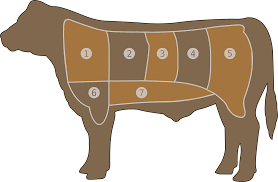
Different beef cuts contain different amounts of fat and protein.
Lean Beef Options
- Sirloin
- Tenderloin
- Eye of round
- Top round
Lean cuts are often recommended for balanced diets because they contain less fat while still providing protein and nutrients.
Beef and Weight Management
Some people avoid beef while dieting, but lean beef can fit into healthy weight management plans.
Why Beef May Help
- High protein supports fullness
- Helps reduce unnecessary snacking
- Supports muscle preservation during dieting
Portion control remains important when including beef in a healthy meal plan.
Common Mistakes When Eating Beef
Some habits reduce the health benefits of beef.
Eating Very Large Portions
Moderation is important for balanced nutrition.
Using Too Much Oil
Excess oil increases calories and unhealthy fats.
Skipping Vegetables
Balanced meals should include vegetables and fiber-rich foods alongside protein sources.
How to Buy Fresh Beef
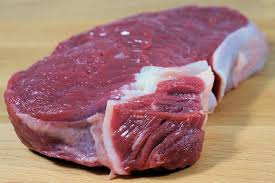
Fresh beef usually tastes better and provides better quality.
Signs of Fresh Beef
- Bright red color
- Fresh smell
- Firm texture
- Minimal liquid in packaging
Avoid beef with a strong unpleasant odor.
Healthy Beef Meal Ideas
Healthy beef meals can be delicious and nutritious.
Meal Ideas
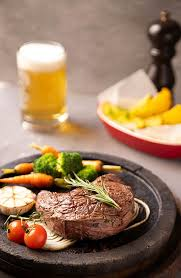
- Grilled lean beef with vegetables
- Beef stir-fry with rice
- Homemade beef soup
- Roasted beef with potatoes
- Beef salad bowl
Balanced meals help provide nutrition while maintaining variety and flavor.
Beef Benefits for Active Lifestyle
People with active lifestyles often need additional protein and nutrients to support recovery and physical performance.
Beef can help support:
- Workout recovery
- Muscle maintenance
- Physical strength
- Energy needs
Balanced diets combined with exercise help support long-term health goals.
Is Beef Healthy for Everyone?
Beef can be part of a healthy diet for many people when eaten in moderation.
However, some individuals may need specific dietary guidance depending on medical conditions or personal nutrition goals. Consulting healthcare professionals is always recommended for personalized advice.
Tips for Eating Beef in a Healthy Way
Choose Lean Cuts
Lean beef contains less fat while still providing important nutrients.
Balance Your Plate
Include vegetables, healthy grains, and water alongside beef meals.
Avoid Overcooking
Proper cooking helps maintain texture and flavor.
Watch Portion Sizes
Moderate portions support balanced nutrition.
Beef and Healthy Lifestyle
Healthy living depends on balanced habits, regular physical activity, and proper nutrition.
Beef and Healthy Lifestyle
Healthy living depends on balanced habits, regular physical activity, and proper nutrition.
Beef alone cannot guarantee good health, but it can become part of a balanced eating plan when combined with:
- Vegetables
- Fruits
- Whole grains
- Exercise
- Good hydration
Healthy habits over time help improve overall wellness.
Conclusion
Understanding beef benefits can help people make smarter dietary decisions. Beef provides high-quality protein, iron, zinc, vitamin B12, and important nutrients that support muscle growth, energy levels, immunity, and overall health.
When consumed in moderation and cooked using healthy methods, beef can fit into a balanced and nutritious diet. Lean beef cuts, proper portion control, and healthy meal planning are important for maintaining wellness.
By combining balanced nutrition with regular exercise and healthy lifestyle habits, people can enjoy the benefits of beef while supporting long-term health goals in 2026 and beyond.
FAQs
What are the main beef benefits?
Beef benefits include protein support, muscle growth, energy production, and important vitamins and minerals for overall health.
Is beef high in protein?
Yes, beef is an excellent source of high-quality protein.
Can beef help build muscle?
Yes, protein in beef helps support muscle repair and growth.
Is lean beef healthy?
Lean beef can be part of a balanced diet when consumed in moderation.
What nutrients are found in beef?
Beef contains protein, iron, zinc, vitamin B12, selenium, and other important nutrients.
Disclaimer
This article is for educational and informational purposes only. It is not intended to replace professional medical or nutritional advice. Consult a qualified healthcare professional before making major dietary changes.

