High Fiber Vegetables: Complete Health Benefits Guide
Introduction
High fiber vegetables are among the healthiest foods you can add to your diet. They provide essential nutrients, support digestion, and help maintain overall wellness. In addition, they are naturally low in calories, making them an excellent choice for people who want to manage their weight.
Many people focus on protein and vitamins, but fiber is equally important. Fiber helps your digestive system work properly. It also helps you feel full for longer periods. As a result, you may eat fewer unhealthy snacks during the day.
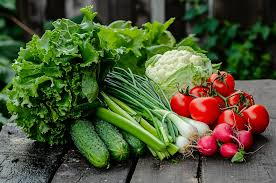
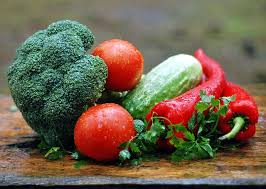
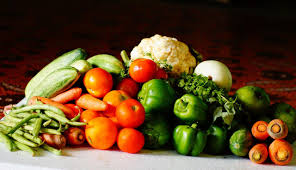
Some of the best high fiber vegetables include cucumber, tomato, carrot, bottle gourd, and zucchini. These vegetables are affordable, easy to prepare, and widely available. Furthermore, they fit into almost any meal plan.
In this guide, you will learn about the nutritional value of these vegetables, their health benefits, and simple ways to include them in your daily meals.
What Are High Fiber Vegetables?
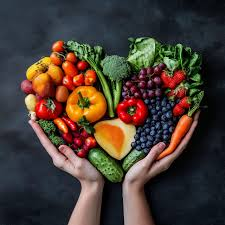
High fiber vegetables are vegetables that contain significant amounts of dietary fiber. Fiber is a type of carbohydrate that the body cannot fully digest. Although the body does not absorb fiber like other nutrients, it plays a crucial role in maintaining good health.
There are two main types of fiber:
Soluble Fiber
Soluble fiber dissolves in water and forms a gel-like substance. It may help support healthy cholesterol levels and improve blood sugar control.
Soluble Fiber
Soluble fiber dissolves in water and forms a gel-like substance. It may help support healthy cholesterol levels and improve blood sugar control.
Insoluble Fiber
Insoluble fiber adds bulk to stool and helps food move through the digestive tract. Therefore, it supports regular bowel movements and digestive health.
Most vegetables contain both types of fiber. Consequently, eating a variety of vegetables is beneficial.
Why Fiber Is Important
Fiber supports many functions in the body. First, it improves digestion. Second, it helps control appetite. Third, it supports heart health and overall wellness.
Some important benefits of fiber include:
- Better digestion
- Improved gut health
- Longer feelings of fullness
- Support for weight management
- Healthy cholesterol levels
- Balanced blood sugar levels
- Because of these benefits, health experts encourage people to eat fiber-rich foods every day.
Cucumber Benefits
Hydration Support
Cucumber contains a large amount of water. Therefore, it helps keep the body hydrated throughout the day.
Supports Digestion
Although cucumber is low in calories, it provides fiber that helps support healthy digestion. In addition, its water content may help maintain regular bowel movements.
Weight Management
Many people include cucumber in weight-loss diets because it is filling and refreshing. Furthermore, it can replace high-calorie snacks.
Skin Health
Cucumber contains antioxidants and water that support healthy-looking skin. As a result, it is often included in healthy eating plans.
Tomato Benefits
Tomatoes are popular around the world. They are nutritious, versatile, and easy to add to meals.
Rich in Antioxidants
Tomatoes contain lycopene, a powerful antioxidant. Antioxidants help protect cells from damage caused by free radicals.
Heart Health Support
Tomatoes contain potassium and other nutrients that support cardiovascular health.
Good Source of Vitamins
They provide vitamin C, vitamin K, and folate. Therefore, tomatoes contribute to a balanced diet.
Easy to Include in Meals
You can add tomatoes to salads, sandwiches, soups, and sauces. Consequently, they are one of the easiest vegetables to consume regularly.
Carrot Benefits
Carrots are colorful vegetables packed with nutrients.
Supports Eye Health
Carrots contain beta-carotene. The body converts beta-carotene into vitamin A, which supports normal vision.
High in Fiber
Carrots provide dietary fiber that supports digestive health and promotes regular bowel movements.
Immune System Support
Carrots contain antioxidants and vitamins that help support a healthy immune system.
Healthy Snack Option
Many people enjoy raw carrot sticks as a healthy snack. They are crunchy, nutritious,
Bottle Gourd Benefits
Bottle gourd is a nutritious vegetable commonly used in many traditional dishes.
Low-Calorie Food
Bottle gourd contains very few calories. Therefore, it is a popular choice among people trying to manage their weight.
Supports Digestion
Its fiber content supports digestive health. In addition, it is easy on the stomach.
High Water Content
Like cucumber, bottle gourd contains plenty of water. Consequently, it helps maintain hydration.
Daily Nutrition
Bottle gourd provides several important nutrients while remaining light and easy to
Zucchini Benefits
Zucchini is another excellent high fiber vegetable.
Rich in Nutrients
Zucchini contains vitamins A and C along with important minerals.
Weight Management Support
Because zucchini is low in calories, many people include it in healthy meal plans.
Digestive Health
Its fiber supports healthy digestion and gut function.
Versatile Ingredient
You can grill, roast, steam, or sauté zucchini. Therefore, it fits into many recipes.
High Fiber Vegetables for Weight Loss
Many people choose high fiber vegetables to support weight management.
Fiber helps you feel full longer. As a result, you may consume fewer calories throughout the day.
In addition, vegetables are generally low in calories. Therefore, they help create satisfying meals without excessive energy intake.
For example, adding cucumber and tomato salad to lunch may increase fullness while keeping calories low.
Furthermore, replacing processed snacks with vegetables can improve diet quality.
High Fiber Vegetables for Digestive Health
A healthy digestive system depends on adequate fiber intake.
Fiber helps maintain regular bowel movements. In addition, it supports beneficial bacteria in the gut.
When people consume too little fiber, they may experience digestive discomfort. Therefore, eating vegetables regularly is important.
Cucumber, carrot, bottle gourd, and zucchini all contribute valuable fiber that supports digestive wellness.
High Fiber Vegetables for Fitness
People who exercise need nutritious foods that support overall health.
Vegetables provide vitamins, minerals, water, and fiber. Consequently, they complement active lifestyles.
Athletes and fitness enthusiasts often include vegetables in meals because they support hydration and recovery.
A balanced meal may include lean protein, whole grains, and high fiber vegetables.
How to Add High Fiber Vegetables to Your Diet
Adding more vegetables does not have to be difficult.
Breakfast
- Vegetable omelet
- Tomato slices
- Smoothies with vegetables
Lunch
- Fresh cucumber salad
- Carrot salad
- Vegetable soup
Dinner
Mixed vegetables
Grilled zucchini
Bottle gourd curry
Snacks
- Carrot sticks
- Cucumber slices
- Fresh vegetable bowls
These simple options can increase your daily fiber intake.
Common Mistakes to Avoid
Many people make simple mistakes when trying to eat healthy.
Eating Too Few Vegetables
Some people eat vegetables only occasionally. Instead, include them in multiple meals daily.
Overcooking Vegetables
Excessive cooking may reduce some nutrients. Therefore, use gentle cooking methods when possible.
Ignoring Variety
Different vegetables provide different nutrients. Consequently, variety is important.
Replacing Meals with Vegetables Alone
Vegetables are healthy, but a balanced diet should also include protein, healthy fats, and whole grains.
Tips for Getting More Fiber
- Add vegetables to every meal.
- Choose vegetables as snacks.
- Include salads regularly.
- Try different cooking methods.
- Drink enough water.
- Eat a variety of vegetables.
These habits can significantly improve your fiber intake over time.
Conclusion
High fiber vegetables such as cucumber, tomato, carrot, bottle gourd, and zucchini offer many health benefits. They support digestion, hydration, weight management, and overall wellness. In addition, they provide important vitamins, minerals, and antioxidants.
- The best part is that these vegetables are affordable, widely available, and easy to prepare. Therefore, almost anyone can include them in a healthy eating plan.
- By making high fiber vegetables a regular part of your diet, you can improve nutrition and support long-term health naturally.
FAQ
What are high fiber vegetables?
High fiber vegetables include
Disclaimer
This article is for educational purposes only. It does not replace professional medical advice. Always consult a qualified healthcare professional before making significant dietary changes or starting a new nutrition plan.