
H1: Lettuce Cabbage Kale Coriander Mint: Complete Guide to Healthy Green Vegetables and Herbs
Green vegetables and fresh herbs are essential parts of a healthy diet. Among the most popular choices are lettuce cabbage kale coriander mint. These nutrient-rich foods are widely used in homes, restaurants, and healthy meal plans around the world. They are valued for their fresh taste, versatility, and impressive nutritional benefits.
Many people are looking for natural ways to improve their diet and overall health. Adding lettuce cabbage kale coriander mint to daily meals is a simple and effective step. These greens contain vitamins, minerals, antioxidants, and fiber that support the body in many ways. They are also low in calories, making them suitable for people who want to maintain a healthy weight.
This guide explores the nutritional value, health benefits, culinary uses, and practical tips for including lettuce cabbage kale coriander mint in your everyday diet.
H2: Understanding Lettuce Cabbage Kale Coriander Mint
The term lettuce cabbage kale coriander mint refers to a combination of leafy vegetables and aromatic herbs commonly used in healthy cooking.
Lettuce is known for its crisp texture and refreshing taste. It is often used as the base for salads and sandwiches. Cabbage is a versatile vegetable that can be eaten raw or cooked. Kale is widely recognized as a nutrient-dense superfood. Coriander is a fragrant herb that adds flavor to many dishes, while mint is known for its refreshing aroma and cooling taste.
Together, these greens create a powerful combination that contributes to a balanced and nutritious diet.
H2: Nutritional Profile of Lettuce Cabbage Kale Coriander Mint
One reason why lettuce cabbage kale coriander mint are so popular is their exceptional nutritional value.
These greens provide a variety of essential nutrients that support overall health. They contain vitamins such as vitamin A, vitamin C, vitamin K, and folate. These vitamins help maintain normal body functions and support wellness.
In addition, these vegetables and herbs contain important minerals such as calcium, magnesium, potassium, and iron. These nutrients contribute to healthy bones, muscles, and body systems.
Fiber is another valuable component found in lettuce cabbage kale coriander mint. Dietary fiber supports digestion and helps maintain a healthy eating pattern.
Furthermore, these greens contain antioxidants that help protect cells from oxidative stress.
H2: Health Benefits of Lettuce
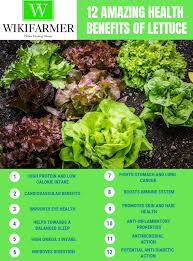
Lettuce is one of the most widely consumed leafy vegetables. It is appreciated for its mild flavor and versatility.
One major advantage of lettuce is its high water content. This helps add volume to meals without significantly increasing calorie intake. Many people enjoy lettuce because it creates satisfying meals while remaining light and refreshing.
Lettuce also contains vitamins and minerals that contribute to a healthy diet. Regular consumption of lettuce can help people increase their intake of vegetables throughout the day.
Another benefit is its versatility. Lettuce can be used in salads, wraps, sandwiches, and many other recipes.
H2: Health Benefits of Cabbage
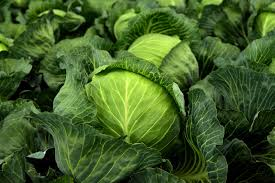
Cabbage is a nutrient-rich vegetable that has been consumed for centuries. It is available in several varieties, including green, red, and savoy cabbage.
Cabbage contains vitamin C and dietary fiber. These nutrients are important parts of a healthy diet. Many people enjoy cabbage because it can be prepared in many ways.
It can be shredded into salads, added to soups, stir-fried with vegetables, or fermented into traditional foods.
Cabbage is also known for its affordability and long shelf life, making it a practical addition to healthy meal planning.
H2: Health Benefits of Kale
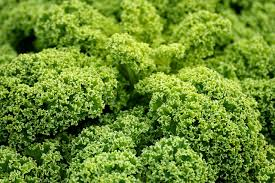
Kale is often considered one of the most nutrient-dense leafy greens available.
This vegetable contains high levels of vitamins A, C, and K. It is also rich in antioxidants and fiber.
Many people choose kale because it provides significant nutritional value while remaining low in calories.
Kale can be enjoyed raw in salads, blended into smoothies, or added to soups and cooked dishes.
Because of its nutritional profile, kale is frequently included in healthy eating plans and fitness-focused diets.
H2: Health Benefits of Coriander
Coriander is a popular herb used in many cuisines around the world.
Its fresh flavor enhances the taste of meals without adding significant calories. This makes it an excellent choice for people who want to improve flavor while maintaining a balanced diet.
Coriander contains vitamins, minerals, and beneficial plant compounds. It is commonly used in soups, curries, rice dishes, and salads.
Adding coriander to meals is an easy way to increase the variety of herbs and vegetables in your diet.
H2: Health Benefits of Mint
Mint is known for its refreshing flavor and aroma.
This herb is frequently used in beverages, salads, sauces, and desserts. Mint provides antioxidants and contributes to the overall nutritional quality of meals.
Many people enjoy mint because it adds freshness without requiring large amounts.
Mint pairs well with vegetables, fruits, and healthy drinks. It is a simple ingredient that can make nutritious meals more enjoyable.
H2: Lettuce Cabbage Kale Coriander Mint for Weight Management
Many healthy eating plans include lettuce cabbage kale coriander mint because they are naturally low in calories.
These greens provide fiber and water, which help create satisfying meals. As a result, people often feel fuller after eating meals that contain plenty of vegetables.
Including more vegetables and herbs in daily meals can support balanced eating habits. Replacing highly processed foods with nutrient-rich greens is a practical strategy for improving diet quality.
Consistent healthy eating habits are more important than quick fixes, and these greens can play an important role in that process.
H2: Lettuce Cabbage Kale Coriander Mint for Fitness and Active Lifestyles
People who follow active lifestyles often prioritize nutrient-dense foods.
Lettuce cabbage kale coriander mint provide vitamins, minerals, and antioxidants that fit well into balanced meal plans.
These greens can be combined with protein-rich foods such as eggs, fish, beans, lentils, and chicken. This combination helps create balanced meals that contain carbohydrates, protein, healthy fats, and essential nutrients.
Athletes and fitness enthusiasts often use leafy greens because they contribute valuable nutrients while keeping meals light and nutritious.
H2: Easy Ways to Add Lettuce Cabbage Kale Coriander Mint to Your Diet
Adding more greens to your meals does not have to be difficult.
One simple option is to prepare fresh salads. Combining lettuce, cabbage, coriander, and mint creates a colorful and flavorful dish.
Smoothies are another popular choice. Kale can be blended with fruits and yogurt to create nutrient-rich beverages.
Soups can also benefit from the addition of cabbage and kale. These vegetables enhance texture and nutrition.
Sandwiches and wraps become healthier when lettuce and herbs are included.
Small changes like these can significantly increase vegetable consumption over time.
H2: Buying and Storing Lettuce Cabbage Kale Coriander Mint
Selecting fresh produce is important for quality and flavor.
Choose greens that appear vibrant and fresh. Avoid leaves that are wilted, discolored, or damaged.
Store vegetables and herbs in the refrigerator to maintain freshness. Proper storage helps preserve quality and reduces food waste.
Washing greens before use is another important step. Clean produce contributes to food safety and better meal preparation.
H2: Common Mistakes to Avoid
One common mistake is relying on only one type of vegetable. A balanced diet benefits from variety.
Another mistake is overcooking leafy greens. Excessive cooking may reduce some nutrients.
Some people also consume too few vegetables overall. Increasing vegetable intake is often one of the simplest ways to improve diet quality.
Making gradual improvements can lead to long-term healthy habits.
H2: Why These Greens Are Important for a Healthy Lifestyle
Healthy eating is not about following complicated rules. It is about consistently choosing nutritious foods.
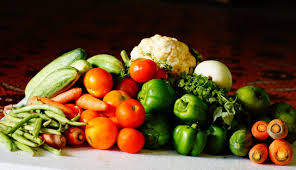
Lettuce cabbage kale coriander mint provide an easy way to increase nutrient intake. They are affordable, accessible, and versatile.
These greens can be included in breakfast, lunch, dinner, and snacks. Their flexibility makes them suitable for a wide range of dietary preferences.
Regularly consuming a variety of vegetables and herbs helps create a more balanced eating pattern.
H2: Final Thoughts
Lettuce cabbage kale coriander mint are excellent additions to a healthy lifestyle. They provide valuable nutrients, support balanced eating habits, and add flavor to meals.
Whether used in salads, soups, smoothies, wraps, or cooked dishes, these greens offer many opportunities to improve nutrition.
Making vegetables and herbs a regular part of your daily meals is a simple step toward better health. Small dietary changes can produce meaningful long-term results when practiced consistently.
FAQ
What are the benefits of lettuce cabbage kale coriander mint?
They provide vitamins, minerals, fiber, and antioxidants that support overall health and balanced nutrition.
Can I eat lettuce cabbage kale coriander mint every day?
Yes. These greens can be included in daily meals as part of a balanced diet.
Which green is considered the most nutrient-dense?
Kale is often recognized as one of the most nutrient-dense leafy greens.
Are these greens good for weight management?
Yes. They are generally low in calories and rich in fiber and water.
How can I include these greens in meals?
You can add them to salads, soups, smoothies, sandwiches, wraps, and many other healthy recipes.
Disclaimer
This article is for educational and informational purposes only. It is not intended to provide medical advice, diagnosis, or treatment. Individual nutritional needs vary depending on age, lifestyle, and health conditions. Always consult a qualified healthcare professional before making significant dietary changes. The information in this article is intended to support healthy lifestyle choices and general nutrition awareness.

