
Why Fitness Is Important for Your Physical and Mental Health
Fitness plays an important role in a healthy life. Many people think fitness only means having a strong body or losing weight. However, fitness affects much more than your appearance. It can improve your physical health, mental health, energy, sleep, and daily performance.
Understanding why fitness is important can help you make better choices every day. You do not need to spend hours in a gym. Simple activities such as walking, stretching, cycling, bodyweight exercises, and sports can make a real difference.
In this guide, we will explore how fitness supports both the body and mind. We will also look at simple ways to become more active and build healthy habits.
Why Fitness Is Important for Physical Health
Regular physical activity helps your body work better. It supports your muscles, bones, heart, lungs, and immune system.
You do not need intense workouts every day. Consistent movement is often more important than doing difficult exercises once in a while.
1. Fitness Helps Build Strong Muscles
Strength is an important part of physical fitness. Strong muscles help you perform daily activities with less effort.
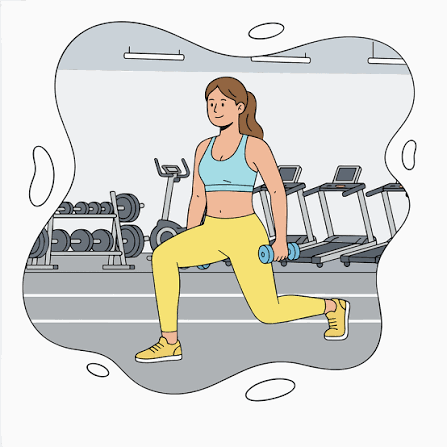
Simple exercises can build muscle over time. Squats, lunges, push-ups, and resistance exercises are good examples.
Strong muscles can also support your joints. They may help you maintain better movement and posture.
If you are new to exercise, start slowly. Focus on proper form instead of lifting heavy weights.
2. Fitness Supports Heart Health
Your heart is a muscle. Regular exercise helps keep it active and strong.
Activities such as brisk walking, cycling, swimming, and jogging can raise your heart rate. Over time, regular aerobic activity can improve cardiovascular fitness.
A healthy heart helps your body deliver oxygen and nutrients more efficiently. This can also make everyday activities feel easier.
You can start with a short daily walk. As your fitness improves, slowly increase the duration or intensity.
3. Fitness Can Help With Healthy Weight Management
Weight management depends on several factors. Food choices, activity levels, sleep, stress, and other lifestyle factors all matter.
Regular exercise helps your body use energy. Combined with a balanced diet, physical activity can support a healthy body weight.
Walking is a simple way to increase daily movement. Strength training can also help maintain muscle while you work toward your fitness goals.
Remember that healthy weight management is not about extreme diets. Small, consistent habits are easier to maintain.
Why Fitness Is Important for Strong Bones and Joints
Your bones need regular movement. Weight-bearing activities can help support bone strength.
Walking, stair climbing, dancing, and resistance exercises are examples of activities that place healthy stress on the bones.
Exercise can also help strengthen the muscles around your joints. Strong supporting muscles may improve stability and movement.
However, beginners should avoid doing too much too quickly. Give your body enough time to adapt.
Fitness Can Improve Daily Energy
Do you often feel tired during the day?
Regular physical activity may help improve your energy levels. Exercise trains your body to work more efficiently.
At first, exercise may feel tiring. With regular practice, your body becomes more comfortable with movement.
A short walk can be a good starting point. You can also take short movement breaks during a long workday.
For example, stand up every hour. Walk around for a few minutes. Stretch your legs and shoulders.
These small actions can help you stay active throughout the day.
Why Fitness Is Important for Better Sleep
Sleep is an important part of overall health. Your body needs quality sleep to recover and prepare for the next day.
Regular physical activity may help improve sleep quality. People who stay active often find it easier to maintain a healthy sleep routine.
Try to exercise during the day. Walking in the morning or doing a workout in the afternoon can become part of your daily routine.
Your sleep habits also matter. Keep a regular bedtime, limit late-night screen use, and create a relaxing sleep environment.
Fitness and Better Physical Performance
Fitness can make everyday tasks easier.
You may notice improvements when climbing stairs, carrying groceries, walking longer distances, or playing with your children.
Better fitness can also improve balance, coordination, flexibility, and endurance.
These benefits become especially useful as you get older. Maintaining an active lifestyle can help you stay independent and mobile.
Simple Exercises for Better Fitness
Beginners can start with simple movements such as:
- Walking
- Bodyweight squats
- Wall push-ups
- Regular push-ups
- Lunges
- Glute bridges
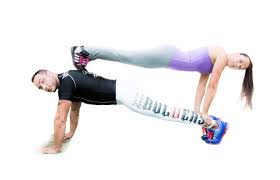
- Planks
- Light stretching
- Cycling
- Swimming
Choose activities that you enjoy. When exercise feels enjoyable, it becomes easier to stay consistent.
Fitness Is More Than Physical Appearance
Many people start exercising because they want to lose weight or improve their appearance. Those are valid goals, but fitness offers many other benefits.
A healthy body can support a healthier mind. Regular movement can also give you more confidence and help you feel better about your daily routine.
This is one of the main reasons why fitness is important for overall well-being.
Fitness should not be about perfection. It should be about becoming stronger, healthier, and more active over time.
How Much Exercise Should Beginners Do?
If you are new to exercise, start with a manageable routine.
You could begin with 20 to 30 minutes of moderate activity on most days. You can divide this time into smaller sessions if needed.
For example:
- 10 minutes of walking in the morning
- 10 minutes of walking after lunch
- 10 minutes of light exercise in the evening
As your body becomes stronger, you can gradually increase your activity.
The most important goal is consistency. A simple routine that you follow regularly is better than an extreme routine that you quit after a few days.
How Fitness Supports Your Mental Health
Fitness does not only make your body stronger. It can also support your mental well-being. Regular physical activity can help you manage stress, improve your mood, and feel more confident.
This is another important reason why fitness is important in everyday life.
You do not need a hard workout to experience these benefits. A walk, bike ride, light workout, or short stretching session can help you become more active.
1. Fitness Can Help Reduce Stress
Stress is a normal part of life. Work, family responsibilities, money, and daily problems can all create stress.
Regular exercise can give your mind a healthy break. When you exercise, you focus on your movement instead of thinking about daily problems.
A simple walk can help you relax. You can walk outside, listen to music, or enjoy some quiet time.
Exercise can also become a healthy way to deal with daily pressure.
Instead of staying inactive when you feel stressed, try moving for 10 to 20 minutes. Even a short session can help you feel refreshed.
2. Exercise Can Improve Your Mood
Your mood can change for many reasons. Poor sleep, stress, inactivity, and a busy lifestyle may affect how you feel.
Physical activity can support a more positive mood. Exercise encourages your body to release chemicals that are linked with feelings of well-being.
You may feel more relaxed after a workout. Some people also feel more positive and energetic after a walk.
The key is consistency.
You do not have to exercise perfectly. Make movement a normal part of your day.
3. Fitness Can Support Mental Focus
Modern life often involves long hours of work and screen time. This can leave your mind feeling tired.
Physical activity gives you a chance to step away from your screen. It can also help you return to your work with a clearer mind.
Try taking a short walking break during the day.
For example, walk for five to ten minutes after several hours of work. You can also stretch your shoulders, back, and legs.
Small breaks can help you avoid sitting for long periods.
4. Fitness Can Improve Self-Confidence
Confidence often grows when you see yourself making progress.
Maybe you could only walk for 10 minutes when you started. After a few weeks, you may be able to walk for 30 minutes.
That progress matters.
You may also become stronger during resistance training. Your clothes may fit differently. Your daily energy may improve.
These changes can make you feel proud of yourself.
Fitness is not about comparing your body with someone else. Focus on your own progress.
5. Exercise Can Help You Handle Daily Challenges
Life does not always go according to plan. Everyone faces difficult days.
A regular fitness routine can give your day some structure. It creates a healthy habit that you can control.
You can decide when to walk, stretch, or exercise. Completing that activity can give you a sense of achievement.
Over time, this routine may help you become more disciplined.
Why Fitness Is Important for Brain Health
Your brain needs good blood flow, quality sleep, healthy food, and regular movement.
Physical activity supports overall cardiovascular health. Better cardiovascular fitness can also support healthy blood flow throughout the body.
Exercise can also give you time to clear your mind.
For example, a morning walk can help you start the day with less mental pressure. A short evening walk can help you relax after work.
Fitness and Better Sleep Quality
Mental health and sleep are closely connected.
When you do not sleep well, you may feel tired and less focused the next day. Poor sleep can also make daily stress harder to manage.
Regular physical activity may help support better sleep habits.
Try to create a consistent routine. Exercise during the day and keep your bedtime regular.
Avoid turning exercise into another source of stress. Your goal should be a balanced lifestyle.
How Exercise Can Support a Healthy Routine
A healthy lifestyle includes more than workouts.
Your daily routine can include:
- Regular physical activity
- Balanced meals
- Enough water
- Quality sleep
- Stress management
- Time with family and friends
- Breaks from screens
- Outdoor activities
These habits work together.
For example, regular exercise can help you feel more energetic. More energy may make it easier to stay active during the day.
A healthy meal can support your workout. Good sleep can help your body recover.
Small habits can create bigger changes over time.
Fitness Does Not Have to Be Difficult
Some people avoid exercise because they think fitness requires intense training.
That is not true.
You can begin with simple activities. Walking is one of the easiest options.
You can also exercise at home. Bodyweight squats, wall push-ups, lunges, and stretching require little or no equipment.
Start with a routine that matches your current fitness level.
As you become stronger, slowly increase your activity.
A Simple Mental Health Fitness Routine
Here is a simple example for beginners:
Morning:
Take a 10-minute walk after waking up.
Afternoon:
Stand up and move for a few minutes during work breaks.
Evening:
Complete 10 to 15 minutes of light exercise or stretching.
Before bed:
Relax and avoid intense activity close to bedtime if it affects your sleep.
You can change this routine based on your schedule.
The best routine is one that you can follow consistently.
Fitness and Social Well-Being
Fitness can also help you stay connected with other people.
You can walk with a friend. Join a local sports activity. Exercise with family members. Take a group fitness class.
Social activities can make exercise more enjoyable.
You may also find it easier to stay motivated when someone exercises with you.
Fitness does not have to be a lonely activity.
Listen to Your Body
Exercise should challenge you, but it should not always leave you exhausted.
Pay attention to how your body feels.
Take rest days when needed. Drink enough water. Warm up before demanding exercise and use proper technique.
If you experience severe pain, dizziness, chest pain, or unusual symptoms during exercise, stop and seek appropriate medical advice.
Beginners should increase exercise gradually. This approach can make fitness safer and easier to maintain.
Build Fitness Habits That Last
Many people start a fitness plan with a lot of motivation. They exercise every day for a short period and then stop.
A better approach is to build small habits.
Start with realistic goals.
For example, you could aim to walk for 20 minutes five days a week. Once that becomes normal, add simple strength exercises.
Track your progress if it helps you stay motivated.
Remember that missing one workout does not mean you failed. Simply return to your routine the next day.
Final Thoughts for Part 2
Fitness can support both your body and your mind. Regular movement may help manage stress, improve mood, support focus, and build confidence.
You do not need expensive equipment or a gym membership to become more active.
Start small. Stay consistent. Choose activities you enjoy.
Understanding why fitness is important can help you see exercise as part of a healthy lifestyle rather than a temporary challenge.
How to Make Fitness Part of Your Daily Life
Knowing the benefits of fitness is only the first step. The real change begins when you make physical activity part of your daily routine.
You do not need to change everything at once. Small steps can create lasting habits. The goal is to find a routine that fits your lifestyle and that you can follow for a long time.
Start With Simple Fitness Goals
Start with realistic goals.
If you are new to exercise, do not try to complete an intense workout every day. Begin with simple activities that match your current fitness level.
For example, you can start with:
- A 15-minute daily walk
- Two or three strength workouts each week
- Five minutes of stretching each day
- Taking the stairs when possible
- Walking during short breaks
- Spending less time sitting
Once these habits become easier, you can slowly increase your activity.
Create a Balanced Fitness Routine
A good fitness routine should include different types of movement.
Cardio Exercise
Cardio activities improve endurance and keep your heart active.
Examples include:
- Walking
- Jogging
- Cycling
- Swimming
- Dancing
- Hiking
Choose an activity you enjoy. Enjoyment can make it easier to stay consistent.
Strength Training
Strength exercises help build and maintain muscle.
You can train at home with little or no equipment.
Try exercises such as:
- Squats
- Lunges
- Push-ups
- Wall push-ups
- Glute bridges
- Planks
Start with a few repetitions. Focus on good form and controlled movements.
Flexibility and Mobility
Stretching can help you move comfortably.
Add simple stretches for your legs, shoulders, hips, and back. Do not force a stretch into pain.
Gentle mobility exercises can also help you prepare your body for movement.
Make Walking Part of Your Day
Walking is one of the easiest ways to become more active.
You can walk before work, after meals, or in the evening. You can also walk while talking on the phone.
If you spend most of the day sitting, take regular movement breaks.
You do not need to complete all your activity in one session. Short walks throughout the day can add up.
Combine Fitness With Healthy Eating
Exercise works best when you support it with good nutrition.
Choose a variety of foods that provide protein, fiber, vitamins, minerals, and healthy fats.
Good choices include:
- Vegetables
- Fruits
- Whole grains
- Eggs
- Fish
- Beans
- Lentils
- Yogurt
- Nuts and seeds
- Lean sources of protein
Drink enough water throughout the day.
Try to limit highly processed foods and sugary drinks. You do not need to completely avoid your favorite foods. Balance and portion control matter.
Give Your Body Time to Recover
Rest is part of fitness.
Your body needs time to recover after physical activity. Rest can help you return to exercise with more energy.
Make sleep a priority. Keep a regular sleep schedule when possible.
You should also avoid training the same muscles hard every day. Give them enough recovery time.
A good fitness plan includes exercise, nutrition, sleep, and rest.
Stay Consistent Instead of Perfect
You may miss a workout sometimes. That is normal.
One missed workout will not destroy your progress.
The important thing is to return to your routine.
Think about fitness as a long-term lifestyle. You do not need to be perfect every day.
Consistency matters more than short periods of extreme effort.
Fitness at Home
You can build an effective routine at home.
A simple home workout could include:
- Five minutes of warm-up
- Bodyweight squats
- Wall or regular push-ups
- Lunges
- Glute bridges
- Plank
- Five minutes of stretching
Adjust the exercises to your fitness level.
If an exercise causes pain or feels unsafe, stop and choose an easier movement.
Fitness for a Busy Lifestyle
A busy schedule does not mean you cannot stay active.
Look for small opportunities to move.
Walk during your lunch break. Take the stairs. Park farther away when practical. Stretch while watching television.
You can also divide your workout into short sessions.
For example, exercise for 10 minutes in the morning and another 10 minutes in the evening.
Small sessions can make fitness easier to fit into a busy day.
Why Fitness Is Important at Every Age
Fitness can benefit people at different stages of life.
Young adults can use exercise to build strength and healthy habits. Adults can use physical activity to support energy, mobility, and overall health.
Older adults can also benefit from appropriate exercise. Strength, balance, flexibility, and endurance become especially important with age.
Your fitness routine should match your age, experience, health status, and physical abilities.
Common Mistakes to Avoid
Avoid trying to do too much too soon.
Some common mistakes include:
- Exercising without warming up
- Ignoring pain
- Skipping rest
- Following extreme diets
- Comparing yourself with others
- Changing your routine too often
- Expecting instant results
- Focusing only on weight
Fitness is a gradual process.
Give yourself time to improve.
Frequently Asked Questions
Why is fitness important for physical health?
Fitness supports many parts of physical health. Regular activity can help improve strength, endurance, mobility, and cardiovascular fitness. It can also support healthy weight management when combined with balanced eating habits.
Why is fitness important for mental health?
Physical activity can support mood, stress management, confidence, and overall mental well-being. Exercise can also provide a healthy break from daily responsibilities.
How much exercise should a beginner do?
Beginners should start at a comfortable level and increase activity gradually. A combination of walking, strength exercises, and flexibility work can create a balanced routine.
Can I get fit without going to a gym?
Yes. You can walk, cycle, exercise at home, play sports, or use bodyweight exercises. A gym is not required for every fitness goal.
Is walking enough to improve fitness?
Walking can be an excellent starting point. Brisk walking can improve cardiovascular fitness and increase daily activity. For a more balanced routine, add strength and flexibility exercises.
Can exercise help reduce stress?
Regular physical activity can help you manage everyday stress. Walking, stretching, cycling, and other enjoyable activities can provide a healthy mental break.
Should I exercise every day?
You can stay active every day, but you do not need hard workouts every day. Mix easier activities with more demanding workouts and allow your body to recover.
What is the best exercise for beginners?
The best exercise is one that is safe, suitable for your fitness level, and easy to perform consistently. Walking and basic bodyweight exercises are good starting options for many beginners.
Disclaimer
This article provides general health and fitness information for educational purposes only. It is not medical advice and does not replace advice from a qualified healthcare professional.
If you have a medical condition, injury, or other health concern, speak with a healthcare professional before starting a new exercise program. Stop exercising and seek appropriate medical help if you experience severe or unusual symptoms during physical activity.
Conclusion
Fitness is an important part of a healthy lifestyle. It supports more than physical strength and body weight. Regular movement can help improve cardiovascular fitness, muscle strength, energy, mobility, sleep, mood, and stress management.
That is why understanding why fitness is important can change the way you think about exercise.
You do not need a perfect body or an expensive gym membership. You need a realistic plan and the willingness to stay consistent.
Start with a short walk. Add simple strength exercises. Eat balanced meals. Get enough sleep. Give your body time to recover.
Small habits can lead to meaningful changes over time.
Make fitness a part of your lifestyle, not a temporary challenge. Your future body and mind can benefit from the healthy choices you make today.