Common Fitness Mistakes Beginners Should Avoid
Starting a fitness journey can feel exciting. You may want to exercise every day and see quick results. However, beginners often make simple mistakes that can slow progress or cause injuries.
Learning about common fitness mistakes can help you build a safer and more effective routine.
You do not need to be perfect when you start. You need a realistic plan, patience, and consistency. The right habits can help you enjoy exercise and stay active for the long term.
1. Starting With Too Much Exercise
One of the most common fitness mistakes is doing too much too soon.
Many beginners feel motivated and start with long workouts. They may exercise for an hour or more without giving their body enough time to adjust.
This can lead to extreme soreness, tiredness, or loss of motivation.
Instead, start with a manageable routine. A 20 to 30-minute workout can be enough for a beginner.
Increase your workout time and intensity gradually as your fitness improves.
2. Skipping the Warm-Up
A warm-up prepares your body for exercise.
Some beginners start their workout immediately without warming up. This can make movement feel harder and may increase the risk of poor exercise technique.
A simple warm-up can take five to ten minutes.
Try:
- Walking slowly
- Arm circles
- Leg swings
- Shoulder movements
- Light bodyweight squats
- Gentle mobility exercises
Keep the warm-up simple. The goal is to prepare your body, not to make yourself tired.
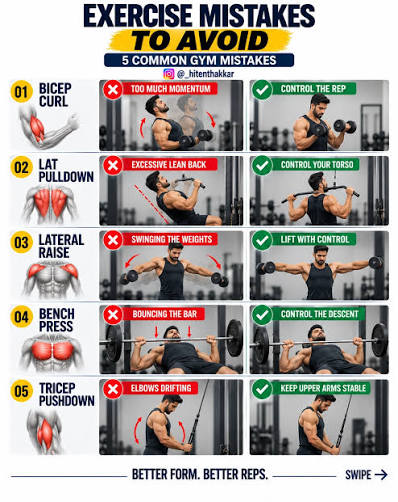
3. Using Poor Exercise Form
Good form matters.
When you perform an exercise with poor technique, you may place unnecessary stress on your muscles and joints.
For example, beginners may rush through squats or push-ups. They may also use weights that are too heavy.
Start with a lighter resistance or your own body weight. Learn the correct movement first.
Quality is more important than the number of repetitions.
If you are unsure about an exercise, ask a qualified fitness professional to show you the correct technique.
4. Choosing Weights That Are Too Heavy
Lifting heavy weights can look impressive, but beginners should focus on control.
Using too much weight can make it difficult to maintain proper form. It may also increase the risk of injury.
Choose a resistance that allows you to complete the exercise with controlled movements.
As your strength improves, gradually increase the weight.
Progress does not need to happen in one workout. Strength develops over time.
5. Ignoring Rest and Recovery
Exercise creates stress on your body. Your body needs time to recover.
Some beginners believe they must train hard every day to get better results. This approach can leave you tired and reduce your motivation.
Rest days are an important part of a fitness routine.
You can still stay active on a rest day. Try walking, gentle stretching, or other light activities.
Give your muscles enough time to recover after demanding workouts.
6. Focusing Only on Cardio
Cardio is useful, but it should not be the only type of exercise in your routine.
Walking, running, cycling, and swimming can improve cardiovascular fitness. However, strength training also has an important role.
A balanced routine can include:
- Cardio exercise
- Strength training
- Mobility work
- Flexibility exercises
- Rest and recovery
You do not need to do everything at once. Add different types of exercise gradually.
7. Avoiding Strength Training
Some beginners think strength training is only for bodybuilders.
That is not true.
Strength exercises can help build and maintain muscle. They can also support everyday movement and physical performance.
Beginners can start with simple exercises such as:
- Squats
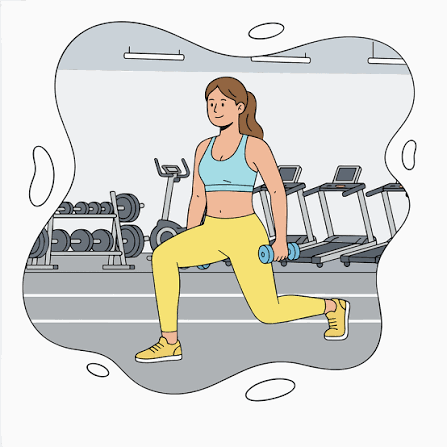
- Lunges
- Push-ups
- Wall push-ups
- Glute bridges
- Planks
You can perform many exercises at home without expensive equipment.
8. Expecting Results Too Quickly
Another common mistake is expecting major results after a few workouts.
Fitness takes time.
Your strength, endurance, body composition, and overall fitness can improve gradually.
Avoid comparing your progress with someone who has been training for years.
Focus on your own starting point.
Celebrate small improvements. Maybe you can walk longer, complete more repetitions, or lift slightly more weight.
These small changes are signs of progress.
9. Following Extreme Workout Plans
The internet contains thousands of workout plans.
Some promise dramatic results in a very short time. Beginners may feel tempted to follow these programs without considering their current fitness level.
A workout should match your experience and physical ability.
You do not need an extreme plan to make progress.
A simple routine that you can follow consistently is often easier to maintain.
10. Not Listening to Your Body
Your body gives you signals during exercise.
Normal muscle fatigue can happen during a workout. However, sharp or severe pain should not be ignored.
If something feels wrong, stop the exercise and assess the situation.
You may need rest or professional advice before continuing.
Do not treat pain as proof that a workout is effective.
Safe training should always be a priority.
How Beginners Can Avoid These Fitness Mistakes
The best way to avoid common fitness mistakes is to start slowly and learn the basics.
Follow these simple principles:
- Warm up before demanding exercise.
- Learn proper exercise form.
- Start with manageable workouts.
- Increase intensity gradually.
- Include rest days.
- Drink enough water.
- Eat balanced meals.
- Get enough sleep.
- Track progress realistically.
- Focus on consistency.
You do not need a complicated fitness program.
Build a routine that fits your lifestyle and fitness level.

More Fitness Mistakes Beginners Should Avoid
Starting a fitness routine is a positive step. However, your results depend on more than your workouts.
Your food, sleep, hydration, recovery, and daily habits also matter. Many beginners focus only on exercise and ignore these important areas.
Avoiding these common fitness mistakes can help you create a healthier and more sustainable routine.
11. Ignoring Nutrition
Exercise is only one part of a healthy lifestyle.
Some beginners work out regularly but continue to eat poorly. They may rely heavily on sugary drinks, highly processed foods, or large portions.
Your body needs good nutrition to support physical activity.
Try to include:
- Vegetables
- Fruits
- Whole grains
- Protein-rich foods
- Healthy fats
- Enough water
You do not need a perfect diet. Focus on balanced meals and reasonable portions.
12. Not Eating Enough Protein
Protein helps your body build and maintain muscle.
Beginners sometimes focus heavily on calories and forget about protein.
Good protein sources include eggs, fish, chicken, yogurt, cottage cheese, beans, lentils, and other protein-rich foods.
Your protein needs depend on factors such as your body size, activity level, age, and fitness goals.
A balanced diet can help support recovery after exercise.
13. Drinking Too Little Water
Hydration is important during everyday life and exercise.
Some beginners do not drink enough water during the day. Dehydration can make you feel tired and may affect exercise performance.
Drink water regularly instead of waiting until you feel extremely thirsty.
If you exercise for longer periods or sweat heavily, your fluid needs may increase.
Keep a water bottle with you if it helps you remember to drink.
14. Skipping Stretching and Mobility Work
Some beginners completely ignore mobility and flexibility.
You do not need a long stretching session every day. However, basic mobility work can be useful.
Try gentle movements for your:
- Shoulders
- Hips
- Legs
- Back
- Ankles
Before exercise, use movements that prepare your body for the activity.
After exercise, gentle stretching can be a comfortable way to cool down.
Do not force a stretch or bounce aggressively.
15. Copying Other People’s Workouts
A workout that works for one person may not be right for another.
Beginners sometimes copy workouts from social media without considering their own fitness level.
Someone else may have years of training experience. Their workout may be too difficult for a beginner.
Choose exercises that match your current ability.
As you improve, you can gradually increase the difficulty.
16. Changing the Workout Plan Too Often
Fitness requires consistency.
Some beginners change their workout every few days because they think a new routine will produce faster results.
Constantly changing exercises can make it difficult to measure progress.
Give a sensible routine enough time to work.
You can make gradual changes when your fitness level improves.
17. Training Only When You Feel Motivated
Motivation can change from day to day.
You may feel excited about exercise one day and tired the next.
If you only exercise when you feel motivated, it can be difficult to build a consistent routine.
Instead, create a schedule.
For example:
Monday: Strength training
Tuesday: Walking
Wednesday: Rest or light activity
Thursday: Strength training
Friday: Walking or cycling
Saturday: Light activity
Sunday: Rest
You can adjust this schedule to your lifestyle.
The goal is to create a routine that you can maintain.
18. Ignoring Sleep
Sleep is an important part of recovery.
Some beginners spend a lot of time exercising but sleep only a few hours each night.
Your body needs rest after physical activity.
Try to maintain a regular sleep schedule. Create a relaxing bedtime routine and reduce unnecessary screen time before sleep.
Good sleep can also support your energy and motivation during the day.
19. Doing Exercises You Hate
Exercise should challenge you, but it does not have to make you miserable.
If you hate running, you do not have to run every day.
Try other activities.
You might enjoy:
- Walking
- Cycling
- Swimming
- Hiking
- Dancing
- Home workouts
- Sports
- Strength training
When you enjoy an activity, you may find it easier to continue.
20. Focusing Only on the Scale
Weight is only one measure of progress.
Beginners sometimes become frustrated when the number on the scale does not change quickly.
Your body can improve in other ways.
You may become stronger. Your endurance may improve. Your clothes may fit differently. You may have more energy.
Track different types of progress instead of focusing only on body weight.
21. Comparing Yourself With Others
Social media can make comparison difficult.
You may see someone with a strong or athletic body and wonder why your results look different.
Remember that people have different genetics, lifestyles, training histories, and goals.
Compare your current fitness level with your own previous level.
Your goal is progress, not competition with strangers.
22. Not Tracking Progress
You do not have to track every detail, but some simple tracking can be helpful.
Write down your workouts.
Record things such as:
- Exercise
- Repetitions
- Sets
- Walking time
- Distance
- Weight used
- How you felt
After several weeks, you can look back and see your progress.
This can also help you identify what works well for you.
23. Ignoring Small Daily Activities
Fitness is not limited to your workout.
Daily movement also matters.
Take short walking breaks. Use the stairs when practical. Walk while talking on the phone. Spend some time outdoors.
These small activities can help reduce long periods of sitting.
Think about movement as part of your entire day.
24. Believing That More Exercise Is Always Better
More exercise does not automatically mean better results.
Your body needs a balance between training and recovery.
Too much exercise without enough recovery can leave you tired and frustrated.
Pay attention to your energy levels and performance.
If you constantly feel exhausted, consider reducing your training load and allowing more recovery.
A Simple Beginner Fitness Checklist
Before starting your workout, ask yourself:
- Did I warm up?
- Is this workout suitable for my fitness level?
- Am I using proper form?
- Do I have enough water?
- Have I allowed enough recovery time?
- Am I wearing suitable footwear or clothing?
- Do I understand the exercises?
After your workout, think about:
- How did my body feel?
- Did I use proper technique?
- Do I need more recovery?
- Did I drink enough water?
- Can I improve one small thing next time?
This simple checklist can help you avoid many beginner fitness mistakes.
When to Get Professional Help
Some people may need extra guidance before starting a new exercise program.
If you have an injury, medical condition, or concerns about exercise, speak with an appropriate healthcare professional.
A qualified fitness professional can also help you learn proper exercise technique and create a routine that matches your experience.
Professional guidance can be especially useful when you are unsure how to perform an exercise safely.

How Beginners Can Build a Better Fitness Routine
Avoiding mistakes is only one part of a successful fitness journey. The next step is to create a routine that is simple, realistic, and easy to follow.
You do not need to train for hours every day. A balanced routine can include walking, strength exercises, mobility work, healthy meals, good sleep, and enough recovery.
The goal is to build habits that you can continue for months and years.
25. Starting Without a Clear Goal
Another common mistake is exercising without knowing what you want to achieve.
Your goal could be:
- Improving general fitness
- Building strength
- Increasing endurance
- Losing excess body fat
- Improving mobility
- Becoming more active
- Supporting overall health
A clear goal can help you choose suitable exercises.
Your goal can also change over time. Start with something realistic and review your progress regularly.
26. Making the Routine Too Complicated
Beginners sometimes create complicated workout plans with too many exercises.
A simple routine is often easier to follow.
For example, a beginner can start with walking and a few basic strength exercises.
You do not need ten different exercises for one muscle group.
Focus on learning the basics first.
27. Forgetting to Track Recovery
Your workout is only one part of training.
Recovery matters too.
Pay attention to your sleep, energy, muscle soreness, and general mood.
If you feel unusually tired for several days, your body may need more recovery.
A good fitness routine should help you become stronger and healthier, not constantly exhausted.
28. Using Exercise as Punishment
Exercise should not be a punishment for eating food.
This mindset can create an unhealthy relationship with exercise.
Instead, think of physical activity as a way to support your health, strength, energy, and well-being.
You can enjoy your favorite foods while still following a balanced lifestyle.
Focus on overall habits rather than trying to compensate for every meal with exercise.
29. Giving Up After Missing a Few Workouts
Life can become busy.
You may miss workouts because of work, travel, family responsibilities, or other situations.
Do not assume that your progress is gone.
Simply return to your routine when you can.
One missed workout does not define your fitness journey.
Long-term consistency matters more than being perfect every day.
A Simple Beginner Fitness Plan
Here is an example of a simple weekly routine.
Monday — Full-Body Strength
Start with a short warm-up.
Then perform:
- Bodyweight squats
- Wall or regular push-ups
- Glute bridges
- Lunges
- Plank
Finish with gentle stretching.
Tuesday — Walking
Take a 20 to 30-minute brisk walk.
Keep a comfortable pace. You should be able to control your breathing.
Wednesday — Recovery
Take a rest day or perform light activity.
You can walk slowly or do gentle mobility exercises.
Thursday — Full-Body Strength
Repeat a simple strength workout.
Focus on good form rather than speed.
Friday — Cardio
Choose an activity you enjoy.
You can walk, cycle, swim, or take part in a sport.
Saturday — Light Activity
Stay active without pushing yourself too hard.
Go for a walk, stretch, or enjoy an outdoor activity.
Sunday — Rest
Give your body time to recover.
Relax and prepare for the next week.
You can change this schedule based on your fitness level and lifestyle.
How to Make Fitness a Long-Term Habit
Building a fitness habit takes time.
Start with small actions.
Put your workout on your calendar. Prepare your clothes before exercise. Keep your walking shoes somewhere easy to access.
You can also exercise with a friend or family member.
If you enjoy your routine, you are more likely to continue.
Remember that your fitness journey does not need to look like anyone else’s.
What to Do When You Lose Motivation
Everyone loses motivation sometimes.
When this happens, make the workout easier.
Instead of skipping exercise completely, take a short walk.
Even 10 minutes of movement can help you maintain the habit.
You can also remind yourself why you started.
Think about the benefits you want from fitness, such as better energy, improved strength, better movement, or a healthier lifestyle.
Signs That You May Need More Recovery
Your body may need additional recovery if you notice:
- Unusual and ongoing fatigue
- Persistent muscle soreness
- Poor workout performance
- Lack of motivation
- Trouble sleeping
- Increased irritability
- Reduced energy
These signs can have many causes. If they continue or concern you, consider speaking with a healthcare professional.
Frequently Asked Questions
What are the most common fitness mistakes beginners make?
Common mistakes include exercising too much too soon, skipping warm-ups, using poor form, choosing weights that are too heavy, ignoring recovery, and expecting quick results.
How can beginners avoid fitness mistakes?
Start slowly and learn proper exercise technique. Follow a realistic workout plan and give your body enough time to recover. Consistency is more important than extreme workouts.
Should beginners work out every day?
Beginners can stay active every day, but they do not need intense workouts every day. A balanced routine should include easier activities and recovery days.
How long should a beginner workout?
The right workout length depends on your fitness level and goals. Many beginners can start with about 20 to 30 minutes and gradually increase the duration as they become fitter.
Is it okay to exercise when I am sore?
Mild muscle soreness can happen after unfamiliar exercise. Light movement may feel comfortable, but you should avoid pushing a very sore or injured area. Severe or unusual pain should not be ignored.
Do I need a gym to get fit?
No. Walking, bodyweight exercises, cycling, swimming, and home workouts can all support fitness. The best approach depends on your goals and preferences.
How long does it take to see fitness results?
Results vary from person to person. Your starting fitness level, training routine, nutrition, sleep, and consistency all matter.
Focus on gradual improvement instead of expecting dramatic changes immediately.
Should I focus on cardio or strength training?
Both can have a place in a balanced fitness routine. Cardio supports endurance, while strength training helps build and maintain muscle. Beginners can gradually include both.
Is missing one workout a problem?
No. Missing one workout does not ruin your progress. Return to your routine when you can and focus on consistency over the long term.
Can beginners exercise at home?
Yes. Many beginner exercises require little or no equipment. Squats, wall push-ups, lunges, glute bridges, planks, walking, and stretching can all be performed at home.
Disclaimer
This article is provided for general educational and informational purposes only. It is not medical advice and does not replace advice from a qualified healthcare professional.
If you have a medical condition, injury, or other health concern, speak with a qualified healthcare professional before starting a new exercise program.
Stop exercising and seek appropriate medical attention if you experience severe pain, chest pain, fainting, severe dizziness, or other unusual symptoms during physical activity.
Conclusion
Starting a fitness journey is a positive step, but beginners do not need to rush.
Many fitness mistakes happen because people want fast results. They exercise too much, ignore recovery, use poor form, follow extreme plans, or compare themselves with others.
A better approach is simple.
Start with manageable workouts. Learn proper technique. Eat balanced meals. Drink enough water. Sleep well. Allow your body to recover.
Most importantly, stay consistent.
You will not improve everything in one week. Fitness is a long-term process.
Focus on small improvements and build healthy habits one step at a time.
Avoiding common mistakes can help you make your fitness journey safer, more enjoyable, and easier to maintain.