
How to Stay Fit Without Going to the Gym
Introduction
You do not need a gym membership to stay active and healthy. You can stay fit without going to the gym by using your home, neighborhood, and everyday activities.
Walking, bodyweight exercises, cycling, stretching, and active hobbies can all help improve fitness. You can also support your results with nutritious food, enough sleep, and good daily habits.
The key is consistency. You do not need a perfect workout every day. Instead, focus on moving your body regularly and choosing habits that fit your lifestyle.
This guide explains simple ways to stay fit without expensive equipment or a gym membership.
H2: How to Stay Fit Without Going to the Gym
The easiest way to start is to make movement part of your daily routine. You can walk, climb stairs, clean your home, or perform simple exercises.
Start with activities that feel comfortable. Then increase your time or intensity as your fitness improves.
H3: Simple Daily Activities
Try these habits:
- Walk after meals.
- Take the stairs.
- Walk to nearby places.
- Do household chores.
- Play outdoor games.
- Stretch during work breaks.
- Spend more time standing and moving.
Small changes can increase your daily activity.
H2: Stay Fit Without Going to the Gym with Home Workouts
Home workouts can train your entire body. You can use your body weight instead of machines or heavy equipment.
Start with basic exercises and focus on good form.
H3: Best Bodyweight Exercises
Try:
- Squats
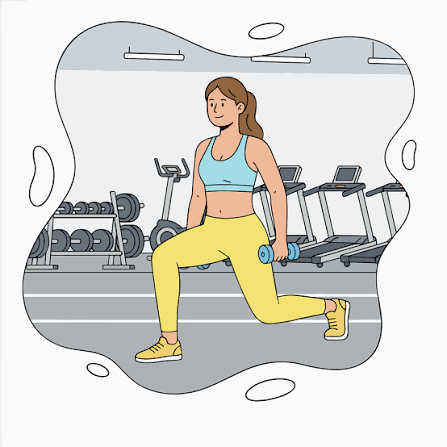
- Lunges
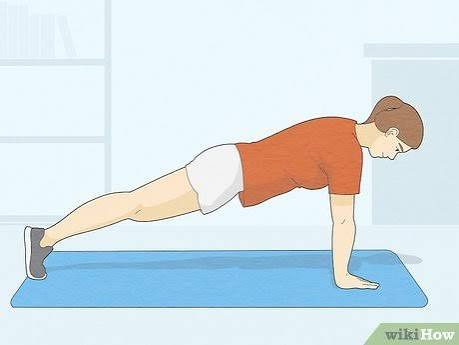
- Push-ups
- Glute bridges
- Planks
- Mountain climbers
- Step-ups
You can combine several exercises into a short workout.
H2: Start Walking Every Day
Walking is one of the simplest forms of exercise. It can help you become more active without needing special equipment.
You can walk indoors or outdoors. Start with a comfortable amount and gradually increase your time.
H3: Make Walking Part of Your Routine
Try these ideas:
- Take a morning walk.
- Walk after dinner.
- Walk while talking on the phone.
- Park farther from your destination.
- Explore a local park.
- Walk with friends or family.
Choose a pace that matches your fitness level.
H2: Stay Fit Without Going to the Gym Through Strength Training
Strength training does not require a gym. Bodyweight exercises can challenge many major muscle groups.
As you become stronger, you can make exercises harder by adding repetitions, slowing the movement, or using household items safely.
H3: Simple Home Strength Exercises
A beginner routine can include:
- Squats for your legs
- Push-ups for your chest and arms
- Lunges for your legs
- Glute bridges for your hips
- Planks for your core
Focus on controlled movements rather than rushing through each exercise.
H2: Try Cardio at Home
Cardio exercise raises your heart rate and helps improve endurance. You can perform many cardio exercises in a small space.
Choose activities that you enjoy. This makes it easier to stay consistent.
H3: Easy Home Cardio Exercises
Try:
- Jumping jacks
- Marching in place
- High knees
- Dancing
- Step-ups
- Fast walking
- Jump rope
Start slowly if you are new to exercise. Increase the intensity over time.
H2: Stay Fit Without Going to the Gym with Outdoor Activities
Outdoor activities can make exercise more enjoyable. They also give you a reason to spend less time sitting.
You do not need a formal workout. Active hobbies can provide useful movement.
H3: Fun Outdoor Fitness Activities
Consider:
- Cycling
- Hiking
- Swimming
- Playing football
- Playing basketball
- Gardening
- Walking in the park
Choose activities that you enjoy and can do regularly.
H2: Add Stretching and Mobility Work
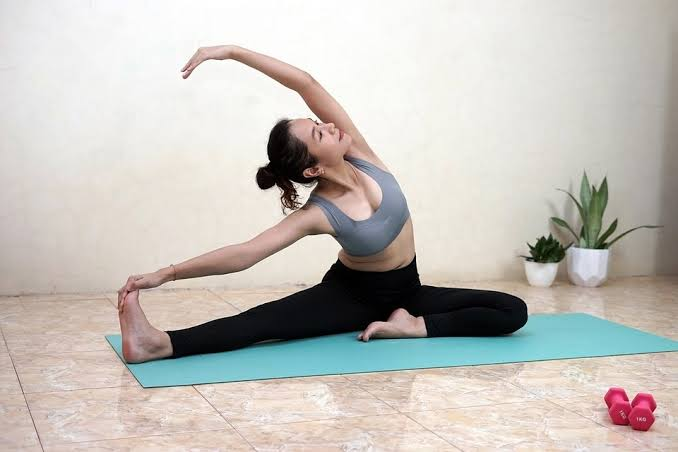
Stretching can help you move comfortably and maintain flexibility. It works well before or after certain activities.
Keep your movements gentle. Do not force a stretch into pain.
H3: Simple Mobility Exercises
Try:
- Shoulder circles
- Hip circles
- Gentle leg stretches
- Calf stretches
- Chest stretches
- Back mobility exercises
Five to ten minutes can be a useful starting point.
H2: Build a Simple Weekly Fitness Routine
You do not need to exercise for hours. A simple weekly plan can help you stay consistent.
Mix different types of activity instead of doing the same workout every day.
H3: Example Weekly Plan
Monday: 30-minute walk + bodyweight exercises
Tuesday: Walking + stretching
Wednesday: Home strength workout
Thursday: Easy walk or cycling
Friday: Bodyweight workout + short cardio
Saturday: Outdoor activity
Sunday: Rest or gentle stretching
Adjust the plan to your fitness level and schedule.
How to Stay Fit Without Going to the Gym – Part 2
H2: Stay Fit Without Going to the Gym by Staying Active at Home
Your home can become a simple place for daily movement. You do not need a large space or expensive equipment.
Household tasks can also keep you moving. Cleaning, gardening, organizing, and carrying light items all add activity to your day.
H3: Easy Ways to Move More at Home
Try these habits:
- Walk around during phone calls.
- Stand up every 30–60 minutes.
- Clean your home regularly.
- Take short movement breaks.
- Use stairs when available.
- Stretch while watching TV.
- Dance to your favorite music.
These small actions can reduce long periods of sitting.
H2: Use Household Items for Exercise
You can make some home exercises more challenging with safe household items. A backpack, water bottles, or sturdy chair may help with certain exercises.
Always make sure the item is stable and easy to control.
H3: Simple Home Exercise Ideas
You can try:
- Squats with a backpack
- Step-ups on a stable step
- Rows with resistance bands
- Overhead presses with water bottles
- Chair-supported exercises
Start with light resistance. Focus on good technique.
H2: Stay Fit Without Going to the Gym with a Healthy Diet
Exercise is only one part of staying fit. Your food choices also matter.
Build your meals around nutritious foods. Include protein, vegetables, fruits, whole grains, and healthy fats.
H3: Healthy Foods for an Active Lifestyle
Good choices include:
- Eggs
- Chicken
- Fish
- Greek yogurt
- Cottage cheese
- Beans
- Lentils
- Oats
- Brown rice
- Fruits
- Vegetables
- Nuts and seeds
Choose portions that match your personal energy needs and goals.
H2: Get Enough Protein
Protein helps maintain and repair muscle tissue. It is especially important when you exercise regularly.
You can get protein from both animal and plant foods.
H3: Easy Protein Sources
Try adding:
- Eggs
- Chicken breast
- Fish
- Greek yogurt
- Cottage cheese
- Lentils
- Chickpeas
- Kidney beans
- Nuts
- Seeds
Spread protein across your meals instead of relying on one large serving.
H2: Stay Fit Without Going to the Gym by Drinking Enough Water
Hydration supports normal body functions and helps replace fluids lost through activity and sweating.
Keep water available during the day. You may need more fluid when exercising or spending time in hot weather.
H3: Simple Hydration Habits
Try to:
- Carry a water bottle.
- Drink water with meals.
- Drink before and after exercise.
- Choose water instead of sugary drinks.
- Drink more during hot weather.
Your hydration needs can vary based on activity, climate, and individual factors.
H2: Improve Your Sleep and Recovery
Your body needs recovery after physical activity. Sleep is an important part of that process.
Most adults need around 7–9 hours of sleep each night.
H3: Better Sleep Habits
Try these tips:
- Keep a regular sleep schedule.
- Create a relaxing bedtime routine.
- Keep your bedroom comfortable.
- Reduce screen use before bed.
- Avoid heavy meals close to bedtime.
Good recovery helps you stay consistent with exercise.
H2: Stay Fit Without Going to the Gym by Tracking Progress
Tracking your progress can keep you motivated. You do not need complicated fitness equipment.
Record simple things such as walking time, workout sessions, repetitions, or how you feel during exercise.
H3: Simple Ways to Track Fitness
You can record:
- Daily steps
- Walking time
- Workout days
- Exercise repetitions
- Plank time
- Cycling distance
- Weekly progress
Focus on improvement rather than perfection.
H2: Avoid Sitting for Long Periods
Long periods of sitting can reduce your daily movement. If you work at a desk, take regular movement breaks.
You do not need a long break. A few minutes of walking or stretching can help you become more active.
H3: Movement Break Ideas
Every so often:
- Stand up.
- Walk around.
- Stretch your legs.
- Move your shoulders.
- Get some water.
- Walk outside for a few minutes.
Make movement part of your workday.
H2: Stay Motivated Without a Gym Membership
Motivation can change from day to day. A simple routine can help you stay active even when motivation is low.
Choose activities that you enjoy. Exercise with a friend if that helps you stay accountable.
H3: Tips to Stay Consistent
Remember to:
- Set realistic goals.
- Start with short workouts.
- Schedule exercise.
- Track your progress.
- Try different activities.
- Celebrate small improvements.
Consistency matters more than doing a perfect workout.
How to Stay Fit Without Going to the Gym – Part 3
H2: FAQ About How to Stay Fit Without Going to the Gym
H3: Can I really stay fit without going to the gym?
Yes. You can improve your fitness through walking, home workouts, cycling, sports, bodyweight exercises, and other active hobbies. A gym is useful, but it is not required.
H3: What is the best home exercise for beginners?
Start with simple movements such as squats, wall push-ups, glute bridges, lunges, and walking. Learn proper form before increasing the intensity.
H3: How often should I exercise at home?
A good goal for many adults is regular activity throughout the week. Include a mix of aerobic activity and muscle-strengthening exercises. Beginners can start with shorter sessions and gradually increase their activity.
H3: Can walking keep me fit?
Walking is an excellent way to increase daily activity and improve cardiovascular fitness. Walk at a comfortable pace and gradually increase your distance or speed as your fitness improves.
H3: Do I need equipment for home workouts?
No. Many exercises use only your body weight. As you progress, resistance bands, light dumbbells, or safe household items can add variety.
H3: How can I build muscle without going to the gym?
Use progressive bodyweight exercises such as squats, lunges, push-ups, glute bridges, and planks. You can make exercises harder by increasing repetitions, changing variations, or adding safe resistance.
H3: What should I eat if I exercise at home?
Focus on balanced meals with protein, vegetables, fruits, whole grains, and healthy fats. Good protein sources include eggs, fish, chicken, dairy, beans, lentils, and nuts.
H3: How can I stay motivated without a gym?
Set small goals and track your progress. Choose activities you enjoy and create a regular workout schedule. Exercising with a friend can also make staying active more enjoyable.
H2: Stay Fit Without Going to the Gym with a Simple Daily Plan
A daily plan can make exercise easier to maintain. You do not need to spend hours working out.
Try adding movement throughout the day instead of doing everything in one session.
H3: Example Daily Fitness Routine
Morning:
Take a 10–20 minute walk and complete a few stretches.
Afternoon:
Stand up regularly and take short movement breaks.
Evening:
Complete a 15–30 minute home workout or go for another walk.
Before bed:
Do gentle stretching and prepare for a good night’s sleep.
Adjust the routine based on your schedule and fitness level.
H2: Stay Fit Without Going to the Gym for Long-Term Health
Fitness is more than exercise. Your daily habits also affect your overall health.
Eat nutritious foods, stay hydrated, sleep well, and manage stress. These habits can support your fitness goals.
H3: Healthy Habits to Keep
Make these habits part of your lifestyle:
- Move every day.
- Eat balanced meals.
- Drink enough water.
- Get quality sleep.
- Take regular breaks from sitting.
- Spend time outdoors.
- Manage daily stress.
Small habits can create meaningful changes over time.
H2: Make Home Workouts More Challenging
Your body can adapt to the same workout over time. When an exercise becomes easy, gradually increase the challenge.
Do not increase everything at once. Make one change at a time.
H3: Ways to Progress Your Workouts
You can:
- Add a few repetitions.
- Add another set.
- Slow down the movement.
- Try a harder variation.
- Reduce rest time slightly.
- Add safe resistance.
Keep your technique under control. Quality matters more than speed.
H2: Final Thoughts on Staying Fit Without a Gym
You can stay fit without going to the gym by making physical activity part of your everyday life.
Walk more. Do home workouts. Try outdoor sports. Eat nutritious foods. Get enough protein and water. Sleep well and give your body time to recover.
You do not need expensive equipment or a complicated program. Start with simple habits and build your routine slowly.
The most important step is to begin. Choose an activity you enjoy and make it part of your regular schedule. Over time, those small actions can help you become stronger, healthier, and more active.
H2: Disclaimer
This article is for educational and informational purposes only. It is not a substitute for professional medical advice, diagnosis, or treatment.
Exercise needs vary from person to person. Speak with a qualified healthcare professional before starting a new exercise program, especially if you have a medical condition, injury, or other health concern.
Start at an appropriate level and increase exercise gradually. Stop if you experience unusual pain, dizziness, chest pain, or severe shortness of breath and seek appropriate medical care.