What Is Physical Fitness? A Complete Beginner’s Guide (2026)
Introduction
What is physical fitness? It is the ability to perform daily activities with energy and confidence. A physically fit person can complete everyday tasks without feeling overly tired. Physical fitness also supports strength, endurance, flexibility, balance, and overall health.
Many people believe fitness is only for athletes. That is not true. Physical fitness is for everyone. You do not need expensive equipment or a gym membership to get started. Small daily habits can make a big difference.
Walking, strength exercises, stretching, healthy eating, and good sleep all support better fitness. As a result, many beginners are choosing simple routines that fit their daily lives.
This guide explains what is physical fitness, its main components, and easy ways to begin your fitness journey in 2026.
H2: What Is Physical Fitness and Why Does It Matter?
Physical fitness is more than looking healthy. It helps your body work efficiently during daily activities. It also supports an active and balanced lifestyle.
People with better fitness often have more energy for work, family, and hobbies. In addition, regular physical activity can improve confidence and overall well-being.
H3: Benefits of Physical Fitness
Physical fitness offers many benefits.
- Supports a healthy heart
- Improves muscle strength
- Increases endurance
- Enhances flexibility
- Helps maintain balance
- Supports healthy body weight
- Boosts daily energy
- Encourages healthy habits
These benefits improve your quality of life over time.
H2: Main Components of Physical Fitness
Physical fitness has several important parts. Each one contributes to overall health.
Improving every component helps create a balanced fitness routine.
H3: Cardiorespiratory Endurance
Cardiorespiratory endurance measures how well your heart and lungs supply oxygen during activity.
Walking, jogging, cycling, and swimming are common ways to improve endurance.
H3: Muscular Strength
Muscular strength is your ability to move or lift weight.
Bodyweight exercises, resistance bands, and weight training help improve strength.
H3: Muscular Endurance
Muscular endurance is the ability to perform repeated movements over time.
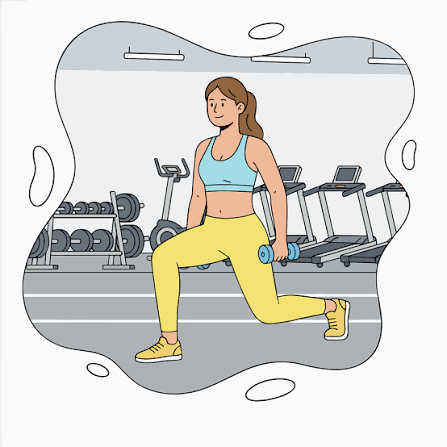
Push-ups, squats, planks, and lunges are simple examples.
H3: Flexibility
Flexibility allows your joints to move through a full range of motion.
Stretching exercises and yoga help improve flexibility.
H3: Balance and Coordination
Balance helps you stay steady during movement.
Simple balance exercises can improve coordination and stability.
H2: What Is Physical Fitness for Beginners?
Beginners often think fitness requires long workouts. That is not necessary.
Start with small goals. Build healthy habits one step at a time. Consistency matters more than perfection.
H3: Easy Ways to Get Started
You can begin with simple activities.
- Walk for 20–30 minutes.
- Stretch every morning.
- Use the stairs.
- Drink enough water.
- Eat balanced meals.
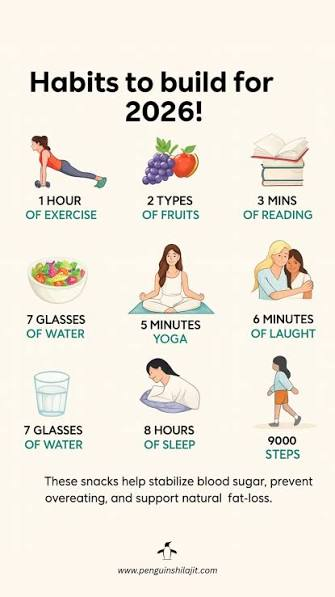
- Sleep 7–9 hours each night.
These habits are easy to follow and support long-term progress.
H2: Daily Habits That Improve Fitness
Healthy habits create lasting results.
You do not need to change everything at once. Instead, improve one habit each week. Small improvements add up over time.
H3: Healthy Lifestyle Habits
Focus on these habits:
- Exercise regularly.
- Eat more fruits and vegetables.
- Include protein in your meals.
- Limit sugary drinks.
- Stay hydrated.
- Take short movement breaks.
- Manage stress.
- Get enough sleep.
These habits support overall wellness.
H2: Common Fitness Mistakes Beginners Make
Many beginners try to do too much too quickly. This can make fitness feel difficult.
Instead, build your routine slowly. Listen to your body and stay consistent.
H3: Mistakes to Avoid
Avoid these common mistakes:
- Skipping warm-ups
- Ignoring rest days
- Doing too much too soon
- Poor exercise form
- Drinking too little water
- Sleeping too little
- Comparing yourself to others
Learning from these mistakes can help you stay motivated.
H2: Setting Realistic Fitness Goals
Clear goals make it easier to stay focused.
Choose goals that are specific and realistic. Track your progress each week. Celebrate small achievements along the way.
H3: Examples of Beginner Goals
Good beginner goals include:
- Walk five days each week.
- Exercise for 30 minutes daily.
- Drink more water.
- Eat more vegetables.
- Improve flexibility.
- Build healthy daily habits.
These goals are simple and achievable.
H2: Build a Strong Fitness Foundation
Every fitness journey starts with one step.
You do not need to be perfect. Stay patient and keep learning. Healthy habits become easier with time.
H3: Stay Consistent
Consistency is the key to success.
Exercise regularly. Eat nutritious foods. Rest when needed. Keep moving forward. Small efforts today can create lasting results tomorrow.
What Is Physical Fitness? A Complete Beginner’s Guide (2026) – Part 2
H2: What Is Physical Fitness and the Role of Exercise?
Exercise is one of the most important parts of physical fitness. It helps improve strength, endurance, flexibility, and mobility. In addition, regular movement supports an active lifestyle.
You do not need long workouts every day. Even short sessions can make a difference when you stay consistent.
H3: Choose Activities You Enjoy
The best workout is the one you enjoy. When you enjoy exercise, you are more likely to continue.
Try activities such as:
- Walking
- Cycling
- Swimming
- Dancing
- Jogging
- Hiking
These activities improve fitness while keeping exercise enjoyable.
H2: What Is Physical Fitness and Strength Training?
Strength training is important for beginners. It helps improve muscle strength and supports everyday movement.
You do not need heavy weights to start. Bodyweight exercises can also be effective.
H3: Beginner Strength Exercises
Start with simple exercises such as:
- Squats
- Push-ups
- Lunges
- Planks
- Glute bridges
- Wall sits
Focus on proper form. Increase the difficulty slowly as you become stronger.
H2: Cardio Exercise for Better Fitness
Cardio exercise improves heart and lung health. It also increases endurance and supports overall fitness.
Aim to include cardio several times each week. Choose activities that match your fitness level.
H3: Beginner Cardio Ideas
Try these beginner-friendly options:
- Brisk walking
- Light jogging
- Cycling
- Jump rope
- Swimming
- Low-impact aerobics
Start slowly. Increase your time as your endurance improves.
H2: What Is Physical Fitness Without Healthy Nutrition?
Exercise alone is not enough. Healthy eating also plays an important role in physical fitness.
Choose whole foods whenever possible. Include protein, healthy carbohydrates, fruits, vegetables, and healthy fats in your meals.
H3: Healthy Foods to Include
Build balanced meals with:
- Lean chicken
- Fish
- Eggs
- Greek yogurt
- Cottage cheese
- Oats
- Brown rice
- Sweet potatoes
- Lentils
- Fresh fruit
- Green vegetables
These foods provide important nutrients for an active lifestyle.
H2: Hydration and Physical Fitness
Water is essential for your body. Staying hydrated supports normal body functions during daily activities and exercise.
Drink water before, during, and after physical activity. Carry a reusable water bottle to help build this habit.
H3: Easy Hydration Tips
- Drink water throughout the day.
- Carry a water bottle.
- Drink extra water in hot weather.
- Choose water instead of sugary drinks.
- Drink after every workout.
These simple habits help you stay hydrated.
H2: Recovery Is Part of Physical Fitness
Recovery allows your body to rest after exercise. Good recovery supports long-term fitness.
Rest days are just as important as workout days. They give your muscles time to recover.
H3: Recovery Habits
Support recovery by:
- Sleeping 7–9 hours each night
- Drinking enough water
- Eating balanced meals
- Stretching regularly
- Taking rest days
- Managing stress
Healthy recovery helps you stay consistent.
H2: Staying Motivated as a Beginner
Every fitness journey has challenges. Motivation may change from day to day.
Build routines instead of relying only on motivation. Simple daily habits create lasting results.
H3: Motivation Tips
- Set realistic goals.
- Track your progress.
- Celebrate small wins.
- Exercise with a friend.
- Try new activities.
- Stay patient.
These habits help you stay committed.
H2: What Is Physical Fitness and Long-Term Success?
Physical fitness is a lifelong journey. It is not about being perfect. It is about making healthy choices consistently.
Keep learning. Improve one habit at a time. Over the months, small improvements lead to meaningful results.
H3: Build Healthy Daily Routines
Simple daily habits include:
- Move your body every day.
- Eat nutritious meals.
- Drink enough water.
- Sleep well.
- Reduce stress.
- Stay active.
Consistency is more important than intensity.
What Is Physical Fitness? A Complete Beginner’s Guide (2026) – Part 3
H2: FAQ About What Is Physical Fitness
H3: What is physical fitness?
What is physical fitness? Physical fitness is the ability to perform daily activities with energy and without excessive fatigue. It includes strength, endurance, flexibility, balance, and overall wellness.
H3: Why is physical fitness important?
Physical fitness supports heart health, muscle strength, flexibility, balance, and endurance. It also helps you stay active and perform everyday tasks more comfortably.
H3: How can beginners improve physical fitness?
Beginners can improve fitness by walking regularly, doing strength exercises, eating balanced meals, staying hydrated, and getting enough sleep. Small, consistent steps produce lasting results.
H3: How many days should I exercise each week?
Many health organizations recommend regular physical activity throughout the week. Beginners often start with 3–5 days of exercise and increase gradually based on their goals and fitness level.
H3: Is walking enough to improve physical fitness?
Walking is an excellent way to begin. It improves endurance and supports heart health. Adding strength training and flexibility exercises creates a more balanced fitness routine.
H3: What are the five components of physical fitness?
The five main components are:
- Cardiorespiratory endurance
- Muscular strength
- Muscular endurance
- Flexibility
- Body composition
Improving each component supports overall fitness.
H3: Do I need a gym to become physically fit?
No. You can improve physical fitness at home or outdoors. Walking, bodyweight exercises, stretching, cycling, and home workouts are all effective options.
H3: How long does it take to improve physical fitness?
Progress depends on your starting point, consistency, nutrition, recovery, and exercise routine. Many beginners notice positive changes after several weeks of regular activity.
H2: What Is Physical Fitness and Healthy Living?
Understanding what is physical fitness helps you make better daily choices. Fitness is not only about exercise. It also includes healthy eating, quality sleep, hydration, stress management, and regular movement.
Choose nutritious foods every day. Stay active whenever possible. Drink enough water and sleep well each night. As a result, your body and mind can perform at their best.
Small habits matter. Taking the stairs, walking after meals, stretching in the morning, and preparing healthy meals all support long-term wellness.
H3: Build Healthy Habits for Life
Healthy habits do not need to be complicated.
Start with these simple steps:
- Walk every day.
- Eat balanced meals.
- Include protein in your diet.
- Stretch regularly.
- Stay hydrated.
- Sleep 7–9 hours each night.
- Reduce screen time before bed.
- Stay consistent.
These habits create a strong foundation for lifelong fitness.
H2: Final Thoughts
Now you know what is physical fitness and why it is important. Physical fitness is about building healthy habits that support your body every day.
You do not need expensive equipment or long workouts to get started. Simple actions, such as walking, strength training, healthy eating, and getting enough sleep, can improve your fitness over time.
Remember that progress takes patience. Focus on consistency instead of perfection. Every healthy choice brings you one step closer to a stronger, healthier, and more active life.
H2: Disclaimer
This article is for educational and informational purposes only. It is not a substitute for professional medical advice, diagnosis, or treatment.
Always consult a qualified healthcare professional before starting a new exercise program, especially if you have a medical condition, injury, or health concern.
Choose activities that match your fitness level. Increase intensity gradually and stop exercising if you experience pain or unusual symptoms.