Weight Loss Fruits: Complete Guide for Healthy Weight Management
Introduction
H2: Weight Loss Fruits Benefits
Weight loss fruits offer many benefits. First, they provide essential nutrients. Second, they help satisfy hunger. In addition, they can replace high-calorie snacks.
Fruits are naturally sweet. Therefore, they can help reduce cravings for sugary foods. Moreover, many fruits contain fiber that supports digestion and fullness.
Another benefit is hydration. Many fruits contain a high percentage of water. As a result, they help support normal body functions while adding relatively few calories.
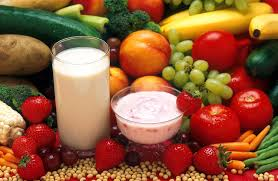
Because fruits are nutrient-rich, they fit well into a healthy lifestyle. Furthermore, they are available in many varieties, making it easy to add them to your diet.Because fruits are nutrient-rich, they fit well into a healthy lifestyle. Furthermore, they are available in many varieties, making it easy to add them to your diet.Weight Loss Fruits are very important for a healthy diet. Weight Loss Fruits help the body manage weight in a natural way. They are low in calories and rich in fiber, vitamins, and minerals. In addition, they support digestion and keep you full for longer. As a result, Weight Loss Fruits can help reduce overeating and support healthy fat loss.
H2: Best Weight Loss Fruits for Daily Nutrition
Choosing the right fruits can make healthy eating easier. Fortunately, there are many excellent options.
H3: Apple as a Weight Loss Fruit
Apples are one of the most popular weight loss fruits. They contain fiber and water. Therefore, they help increase feelings of fullness.
In addition, apples are easy to carry and require little preparation. Many people enjoy them as a snack between meals. Furthermore, apples can be added to salads and breakfast dishes.
H3: Grapefruit and Weight Loss
Grapefruit is often included in weight-management meal plans. It is refreshing and low in calories.
Moreover, grapefruit contains vitamin C and water. As a result, it supports hydration and overall nutrition. However, people who take certain medications should consult a healthcare professional before consuming grapefruit regularly.
H3: Orange for Weight Loss
Oranges are rich in vitamin C and fiber. Therefore, they are a healthy choice for many people.
In addition, oranges provide natural sweetness. Consequently, they can be a satisfying alternative to sugary snacks. Furthermore, they are easy to include in lunch boxes and meal plans.
H3: Watermelon as a Weight Loss Fruit
Watermelon contains a large amount of water. As a result, it is refreshing and hydrating.
Although watermelon is naturally sweet, it is relatively low in calories. Therefore, it can fit into a balanced diet. Moreover, many people enjoy watermelon during warm weather because it helps them stay refreshed.
H2: Weight Loss Fruits for Belly Fat Management
No single fruit can specifically target belly fat. However, fruits can support overall weight management when combined with healthy habits.
Weight loss fruits provide fiber. Therefore, they help people feel satisfied after meals. In addition, fruits can replace high-calorie desserts and snacks.
For example, eating an apple instead of a processed snack may reduce calorie intake. As a result, it may support long-term weight management. Furthermore, fruits provide nutrients that support overall health.
Regular physical activity is also important. Therefore, fruits should be part of a balanced lifestyle rather than the only strategy for weight management.
H2: Weight Loss Fruits Rich in Fiber
Fiber is one of the most important nutrients for healthy eating. It helps support digestion and fullness.
Many weight loss fruits contain fiber. Consequently, they are often included in healthy meal plans.
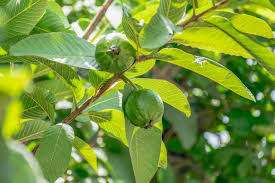
H3: Guava as a Fiber Rich Fruit
Guava is rich in fiber and nutrients. Therefore, it is an excellent addition to a balanced diet.
In addition, guava contains vitamin C and antioxidants. As a result, it supports overall wellness. Furthermore, it can be eaten fresh or added to fruit salads.
H3: Pears for Healthy Digestion
Pears are another fiber-rich fruit. They help support digestion and may increase feelings of fullness.
Moreover, pears are naturally sweet. Therefore, they can satisfy cravings while providing important nutrients.
H3: Berries for Healthy Weight Management
Berries are small but nutrient-dense. They contain fiber, vitamins, and antioxidants.
In addition, berries are versatile. You can add them to yogurt, oatmeal, or smoothies. Consequently, they are easy to include in a healthy diet.
H2: Low Calorie Weight Loss Fruits
Low calorie fruits are a smart choice for people who want to manage their weight. They provide nutrients without adding too many calories. In addition, they help satisfy hunger between meals.
H3: Watermelon as a Low Calorie Weight Loss Fruit
Watermelon is one of the lowest-calorie fruits. It contains a large amount of water. Therefore, it helps support hydration and fullness.
Moreover, watermelon is refreshing and naturally sweet. As a result, it can be a healthy alternative to sugary desserts.
H3: Strawberries for Healthy Weight Management
Strawberries are low in calories and rich in vitamin C. In addition, they contain fiber that supports digestion.
Many people enjoy strawberries as a snack. Furthermore, they can be added to smoothies, yogurt, and fruit salads.
H3: Kiwi for Daily Nutrition
Kiwi is a nutrient-rich fruit that contains fiber, vitamin C, and antioxidants. Therefore, it supports overall wellness.
In addition, kiwi has a refreshing taste. Consequently, it can make healthy eating more enjoyable.
H2: Weight Loss Fruits for Better Digestion
Good digestion is important for overall health. Fortunately, many fruits contain fiber that supports digestive function.
Fiber helps food move through the digestive system. In addition, it supports beneficial gut bacteria. As a result, digestion may improve.
H3: Papaya for Digestion and Weight Loss
Papaya is known for its digestive benefits. It contains fiber and natural enzymes.
Therefore, papaya is often included in healthy eating plans. In addition, it is easy to digest and rich in nutrients.
H3: Pineapple for Digestive Support
Pineapple contains vitamin C and natural enzymes. Moreover, it adds variety to a healthy diet.
Many people enjoy pineapple as a snack or dessert. Consequently, it is a simple way to include more fruit in your meals.
H2: How to Add Weight Loss Fruits to Your Diet
Adding fruits to your diet can be simple. First, keep fresh fruit available at home. In addition, choose fruit as a snack instead of processed foods.
Breakfast Ideas
- Apple slices with oatmeal
- Mixed berries with yogurt
- Kiwi and orange fruit bowl
These options provide fiber and nutrients. Therefore, they are a healthy way to start the day.
Lunch Ideas
- Fruit salad with apples and oranges
- Pear slices with a balanced meal
- Fresh guava as a side option
Moreover, fruits add natural sweetness without excessive calories.
Dinner Ideas
Some people enjoy fruit after dinner. For example, papaya or watermelon can be a light dessert.
As a result, you may satisfy sweet cravings while maintaining a balanced diet.
Healthy Snacks
- Apple slices
- Strawberries
- Grapefruit
- Kiwi
- Watermelon cubes
These snacks are easy to prepare. Furthermore, they support healthy eating habits.
H2: Common Mistakes When Eating Weight Loss Fruits
Although fruits are healthy, people sometimes make mistakes.
Eating Too Much Fruit Juice
Fruit juice may contain more sugar and less fiber than whole fruit. Therefore, whole fruits are often a better choice.
Ignoring Portion Balance
Fruits are healthy. However, a balanced diet should also include vegetables, protein, and whole grains.
Relying Only on Fruit
Fruit alone cannot provide every nutrient the body needs. Therefore, it should be part of a complete meal plan.
Choosing Sugary Fruit Products
Many packaged fruit products contain added sugar. As a result, they may not provide the same benefits as fresh fruit.
H2: Weight Loss Fruits and Healthy Lifestyle
Weight loss fruits work best when combined with healthy habits. First, eat balanced meals. In addition, stay physically active.
Furthermore, drink enough water throughout the day. As a result, your body can function more efficiently.
Good sleep is also important. Therefore, aim for consistent sleep habits. Moreover, try to manage stress levels through healthy activities.
When healthy habits work together, fruits can become an effective part of a long-term wellness plan.

: Conclusion
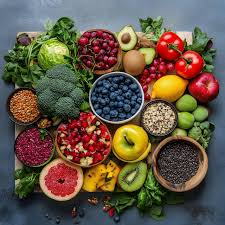
Weight loss fruits can be a valuable part of a healthy lifestyle. First, they provide vitamins, minerals, and antioxidants. In addition, many fruits contain fiber that supports digestion and helps you feel full.
Apples, oranges, grapefruit, watermelon, berries, kiwi, papaya, and guava are excellent choices. Moreover, these fruits are easy to include in daily meals and snacks.
However, healthy weight management depends on more than one food. Therefore, it is important to combine nutritious eating with regular physical activity, good sleep, and healthy habits.
By choosing weight loss fruits regularly, you can improve nutrition, support digestion, and make healthy eating more enjoyable. Finally, small daily changes often lead to better long-term results.
H2: FAQ
What are the best weight loss fruits?
Apples, grapefruit, berries, kiwi, papaya, oranges, and watermelon are among the best weight loss fruits.
Can fruits help with weight loss?
Fruits can support weight management because they provide fiber, nutrients, and natural sweetness.
Which fruit is lowest in calories?
Watermelon and strawberries are popular low-calorie fruit options.
How many fruits should I eat daily?
Most people can include 2–3 servings of fruit daily as part of a balanced diet.
Are fruits better than sugary snacks?
- Yes. Whole fruits provide fiber, vitamins, and minerals, while many sugary snacks offer fewer nutrients.
H2: Disclaimer
This article is for educational and informational purposes only. It does not replace professional medical advice, diagnosis, or treatment. Always consult a qualified healthcare professional before making significant dietary changes.